
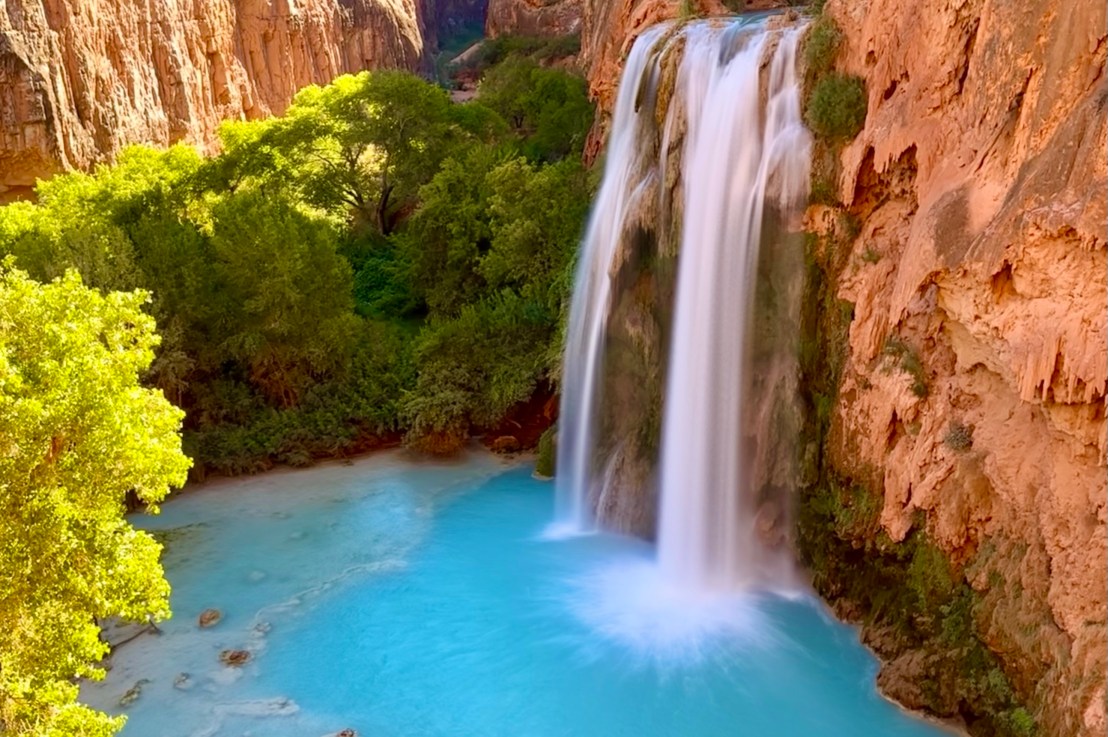
There are several hiking permits in the US that are generally hard to secure. You have lottery systems for Yosemite’s Half Dome and Grand Escalante’s Wave, and others like Havasu Falls that require you to have fast internet connections to purchase permits. Permits for Havasu Falls for the entire year generally sell out within 5 minutes on opening day. We were lucky to have secured a permit for 4 in 2019 for a hike in 2020. And we all know what happened in 2020. The Supai Indian tribe, whose land is where Havasu falls is located, shut down during the pandemic and remained closed to the outside world until February of this year. Four years have elapsed since we got our tickets, and life has moved on for some of us. One was no longer interested in hiking, the other had work commitments, and Joe’s ankle injury became more of an issue over time. The group disintegrated and sold our permits. However, I was not ready to give up on this hike, so I picked up a permit for myself (permits have been relatively easy to obtain this year as a lot of other people have given up their spots for all sorts of “life” reasons).
I’ve never solo backpacked before, but I wasn’t going to let that stop me. With lots of research, I was able to feel comfortable with the idea of going it alone, including starting my 10-mile hike down to the campgrounds at 4 in the morning (to avoid the triple digit heat on the exposed trail), with the hopes of finding other hikers at the trailhead at that ungodly hour.
When Joe dropped me off at the trailhead it was pitch black. A couple was getting ready to start their hike, so I quickly filled up my camelback, threw on my pack, and turned on my headlamp to try to catch up to them. There was no time for me to entertain fear. My only goal was to keep their headlamp lights within my sights. The night was so dark that the Milky Way lit up the sky.
Slowly, I settled into my rhythm and passed the couple at the bottom of the switchback once I felt a lot more comfortable hiking alone in the dark.
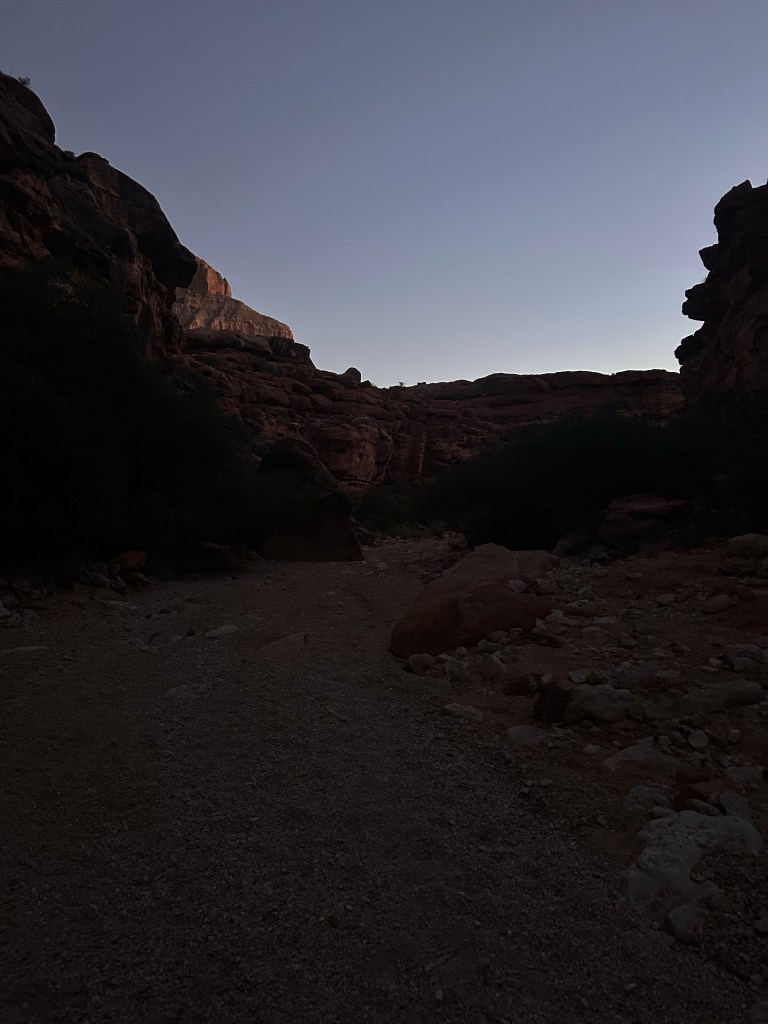
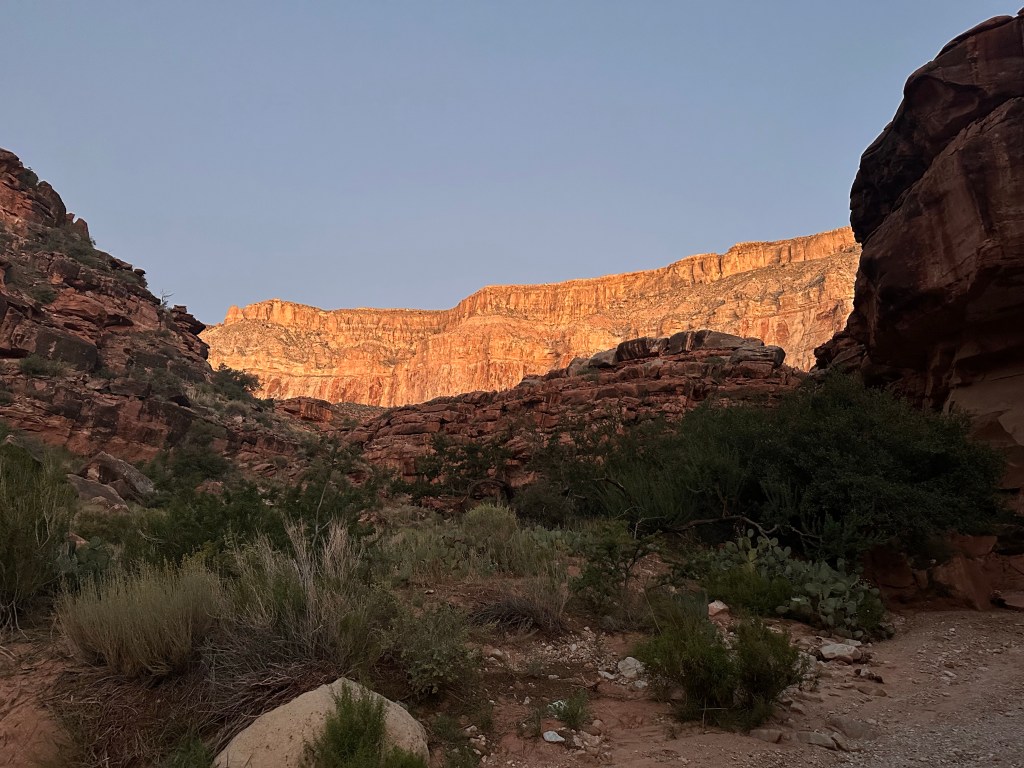
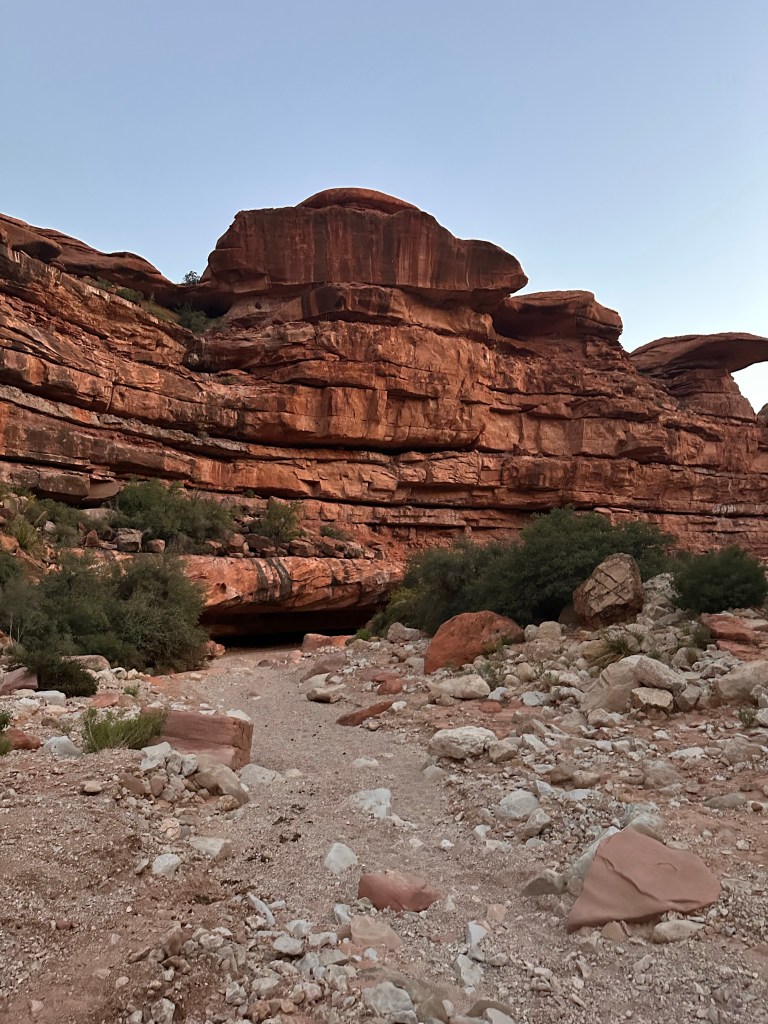

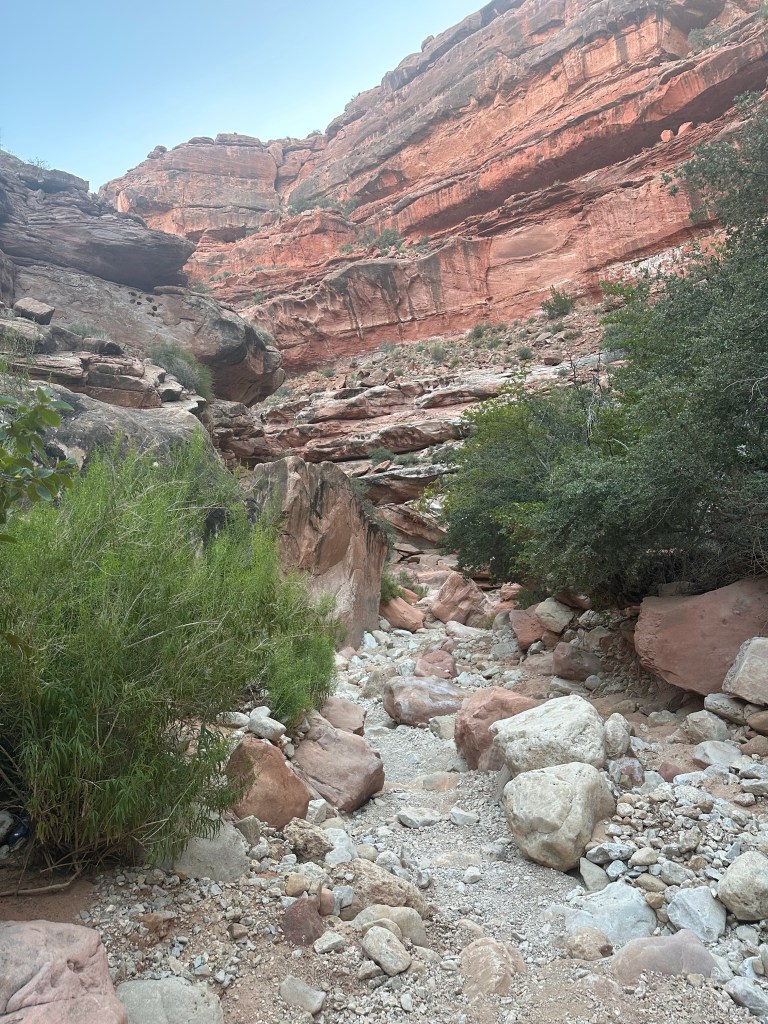
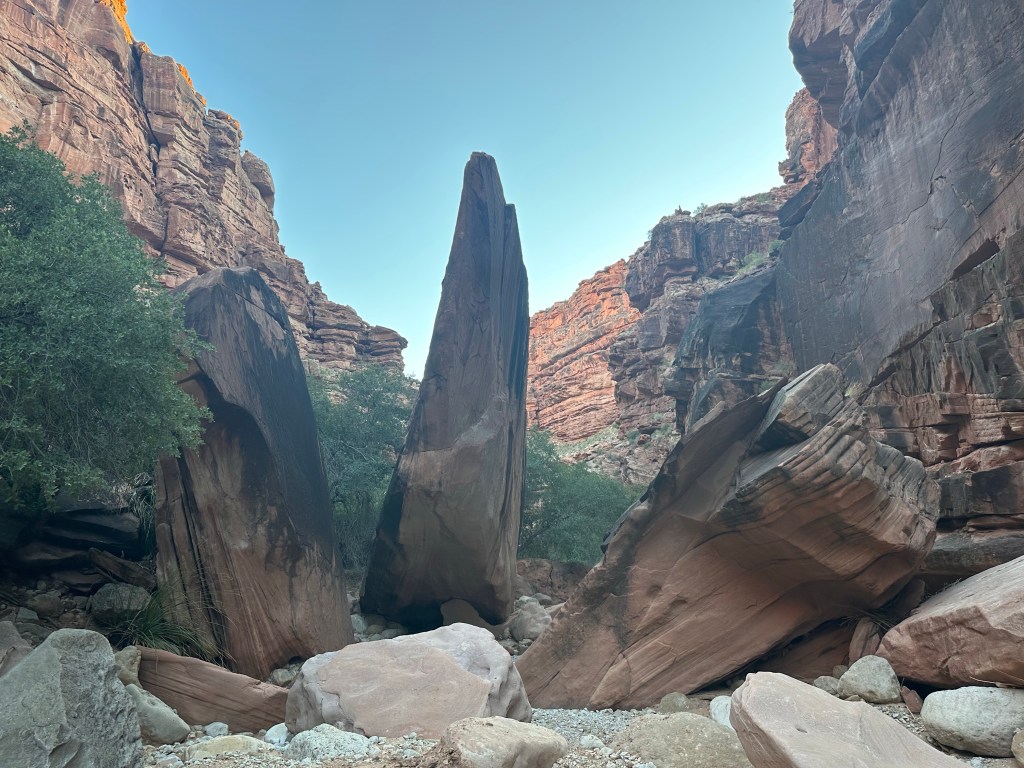

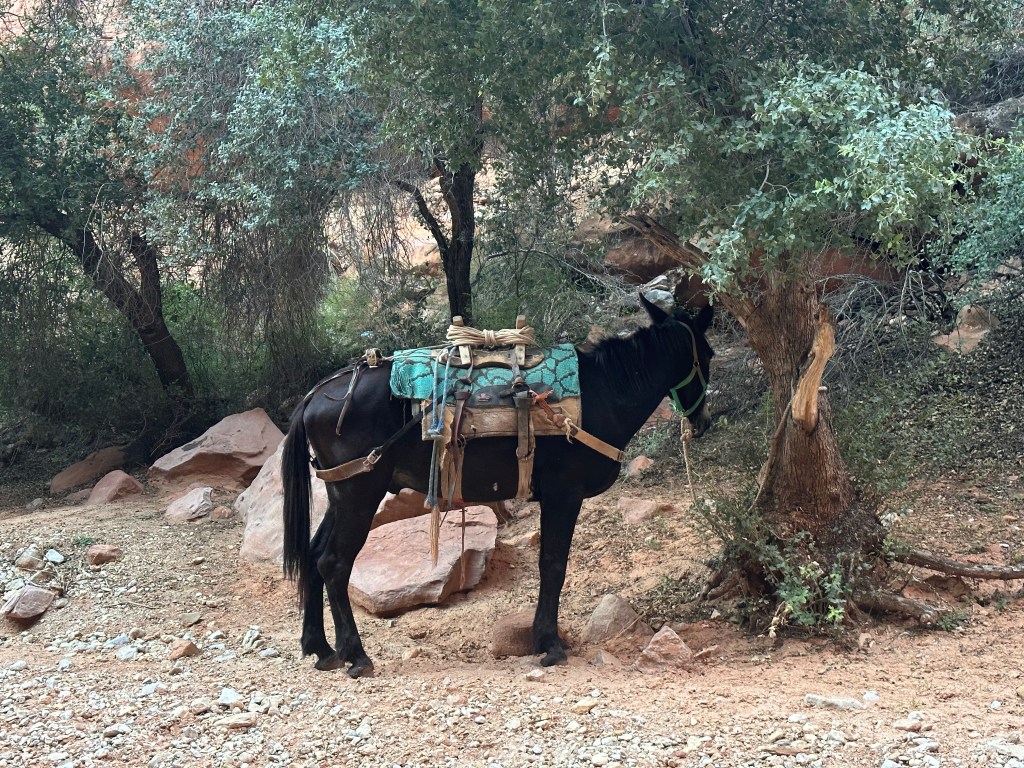


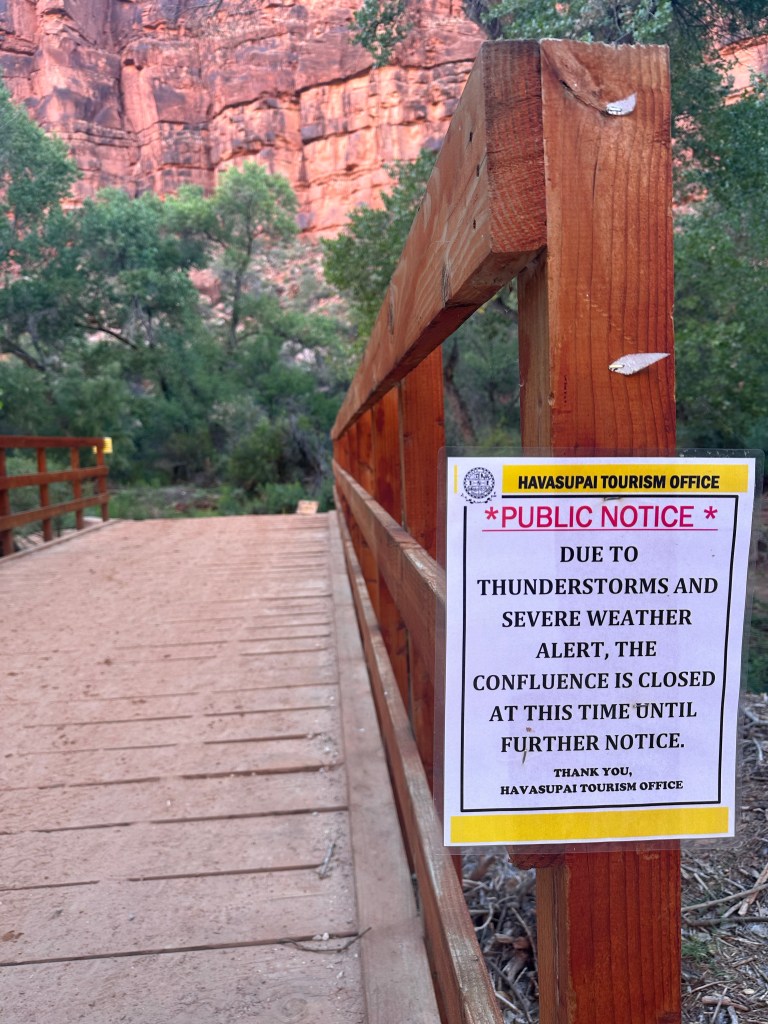
The only spot where there is public WiFi in all of Havasupai tribal land is at the village cafe, and that’s where I sent Joe a text to reassure him that I was still alive and on my way to the campground. Past that point, I would have no contact with the outside world for the next 48 hours.

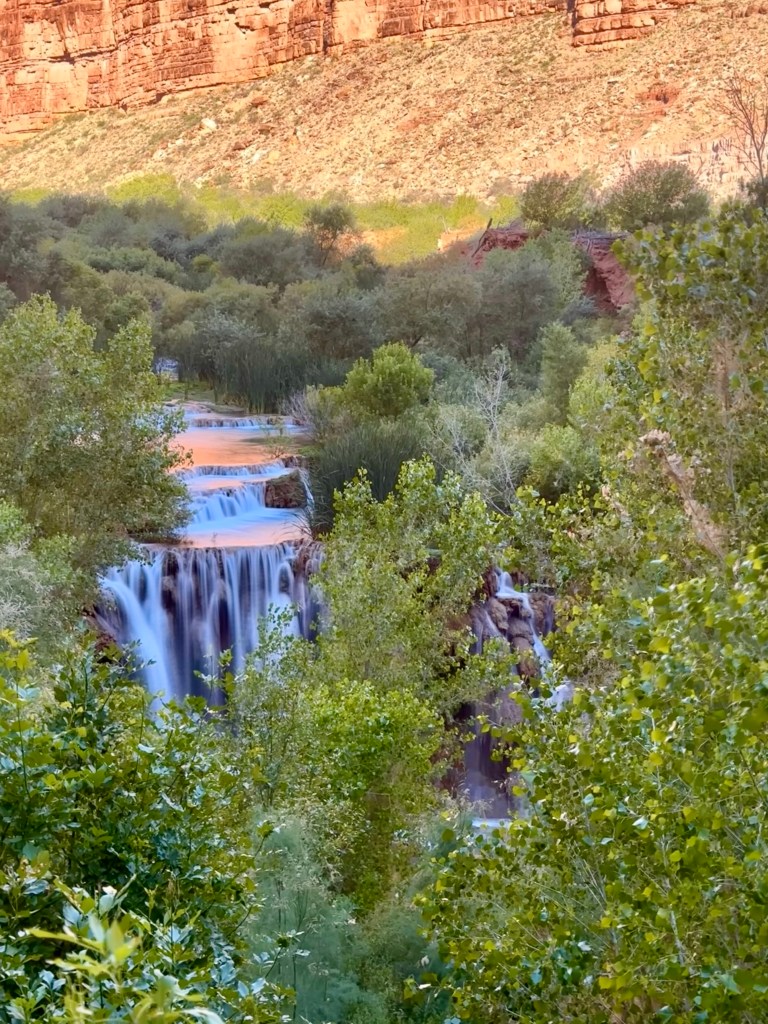

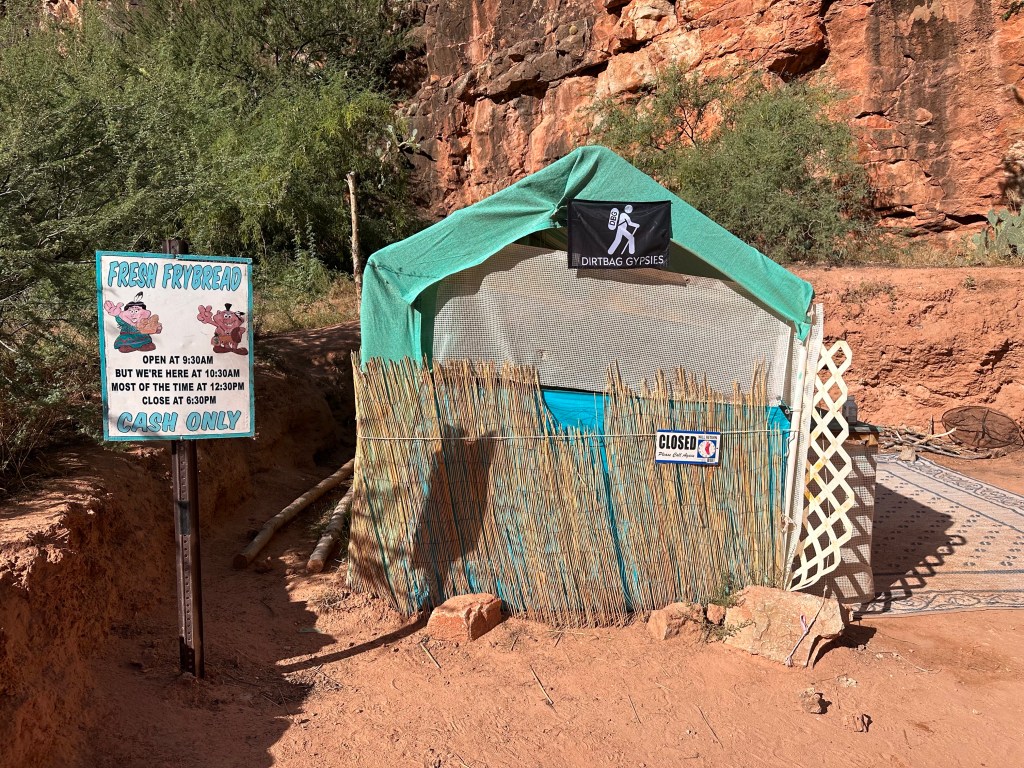


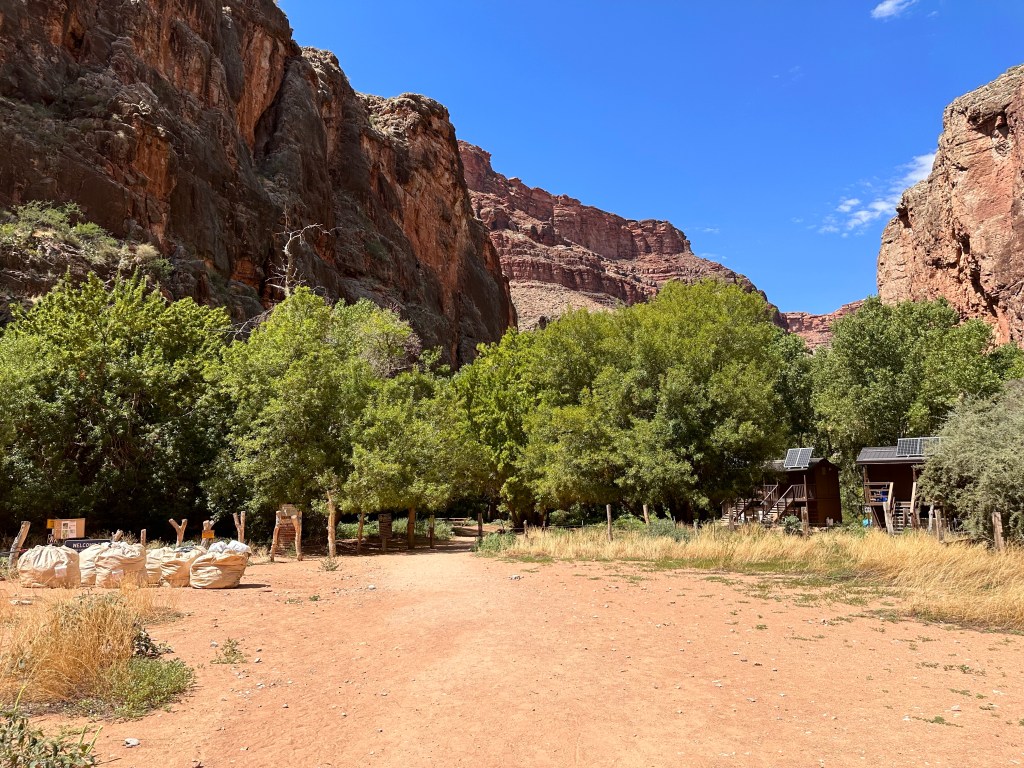
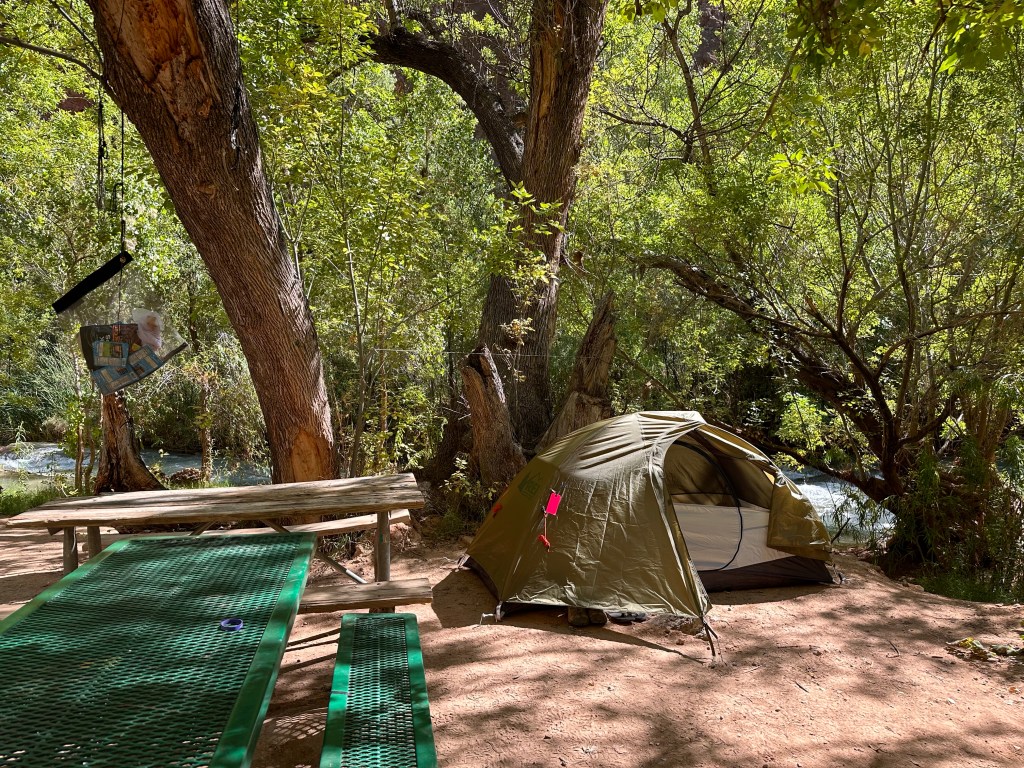
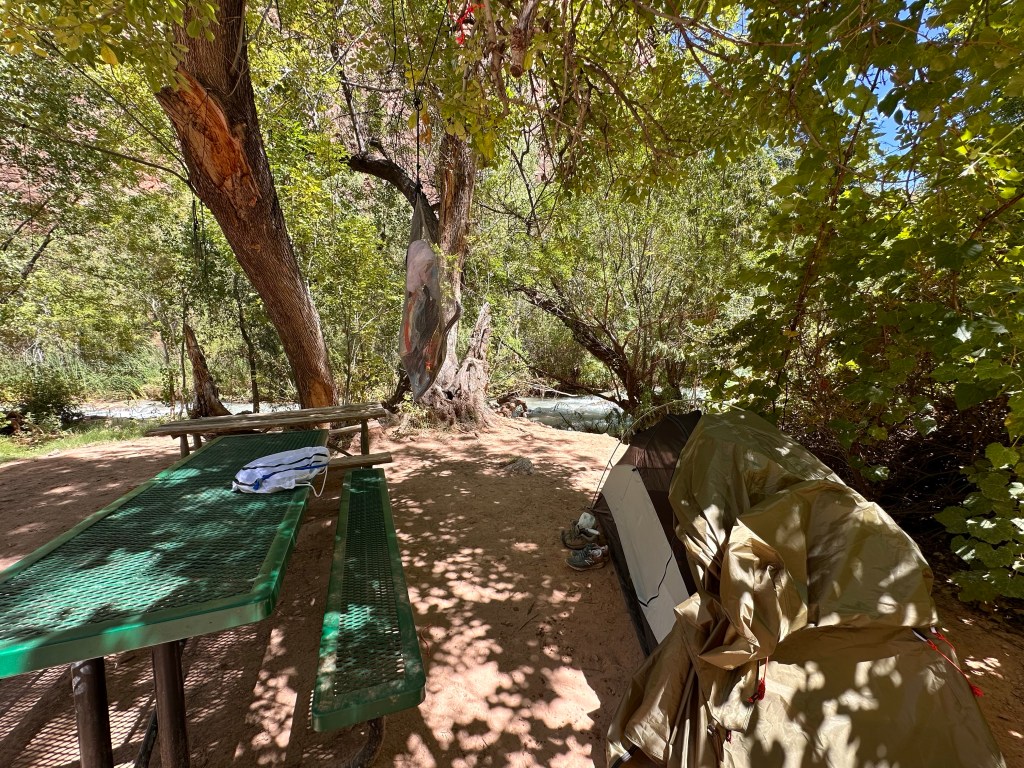
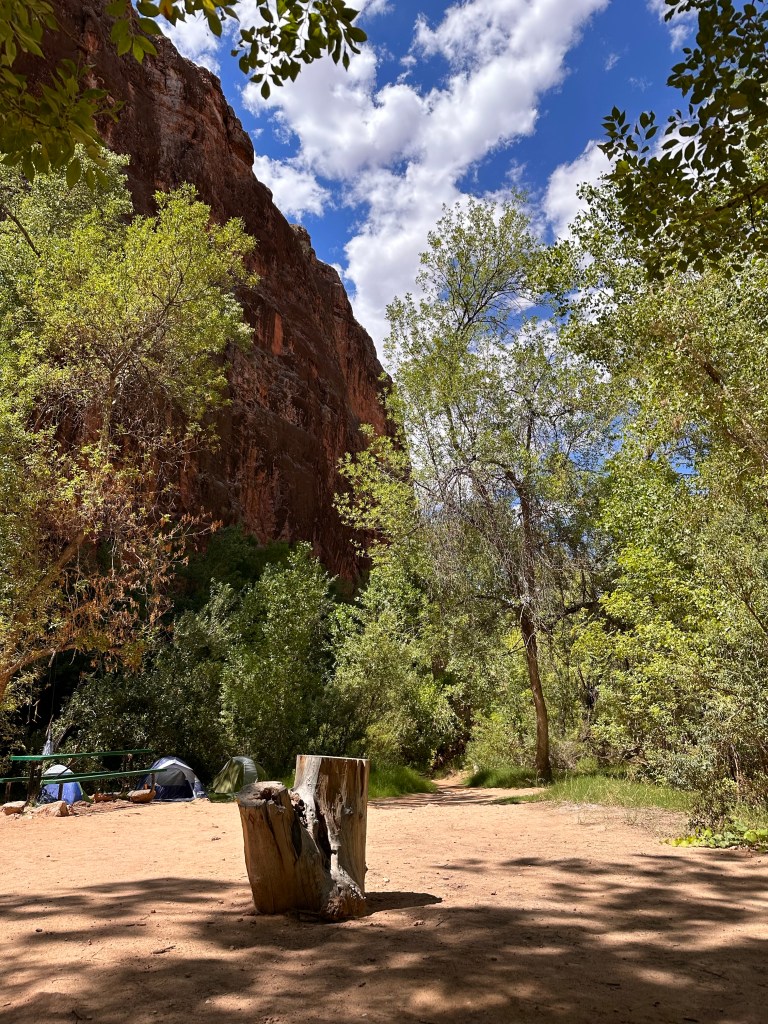
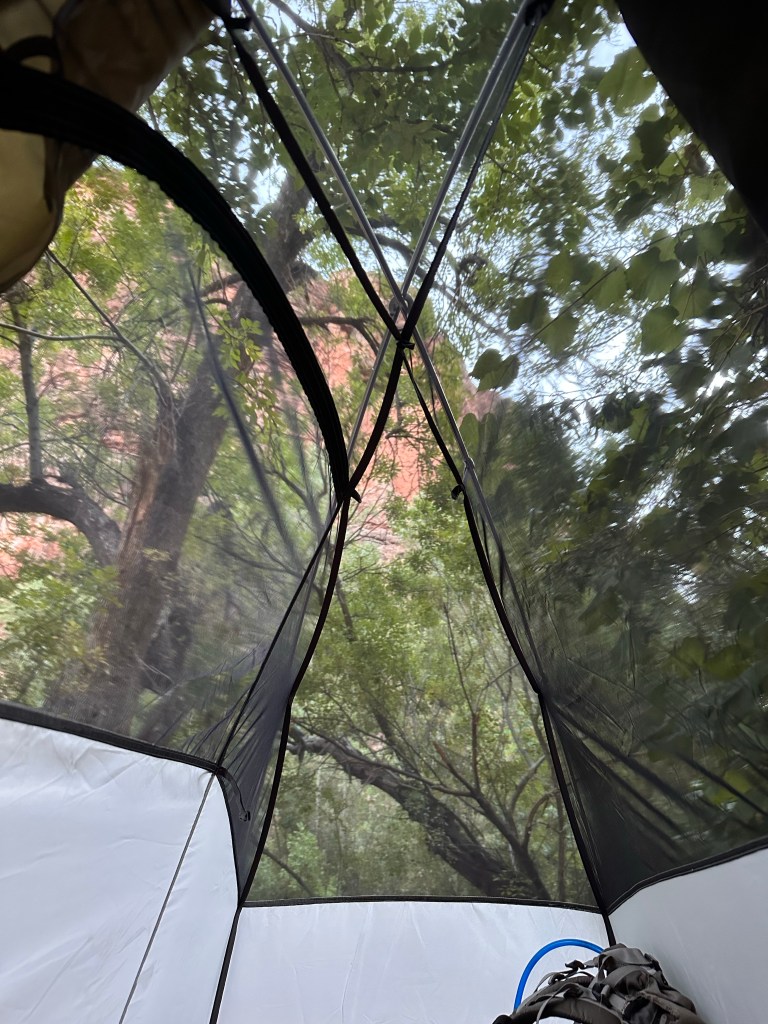
The campground stretches a mile between Havasu falls and Mooney falls, and camp grounds are first come first served. Since I was the first one in of the day, I got a pick of my site.


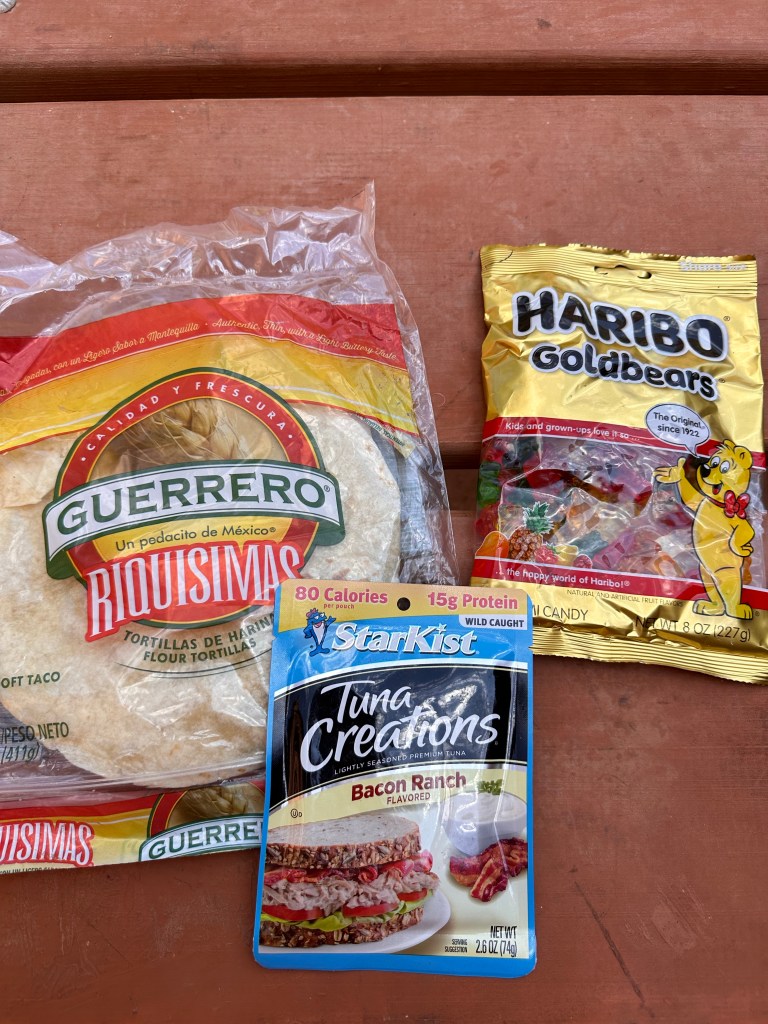
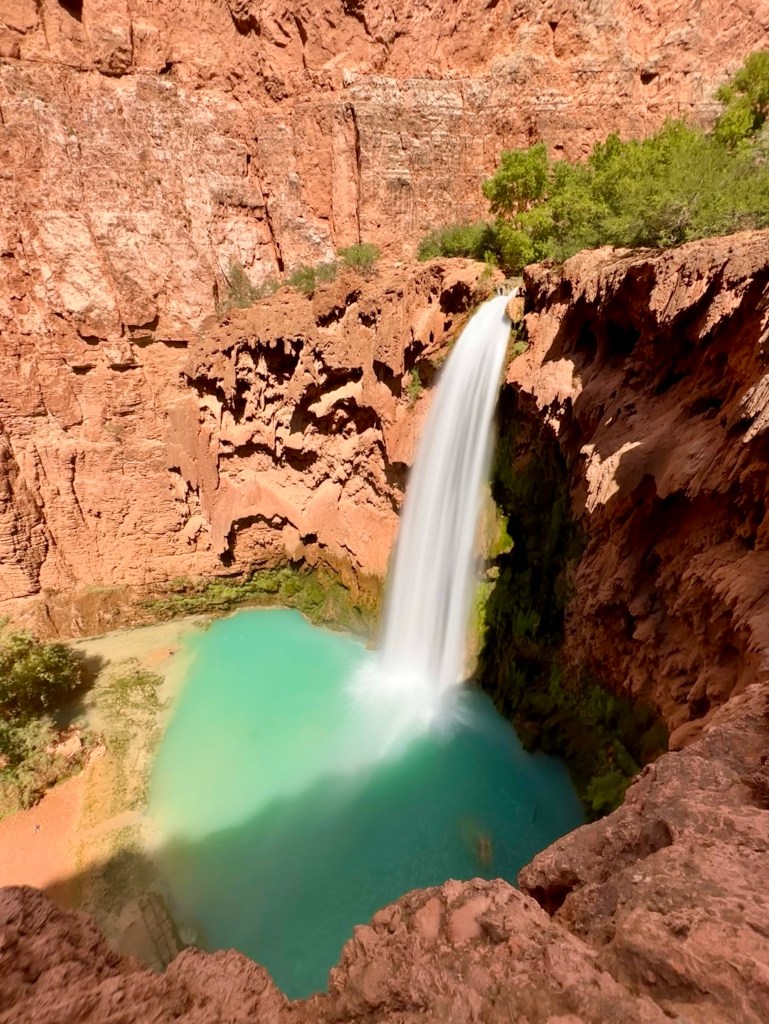
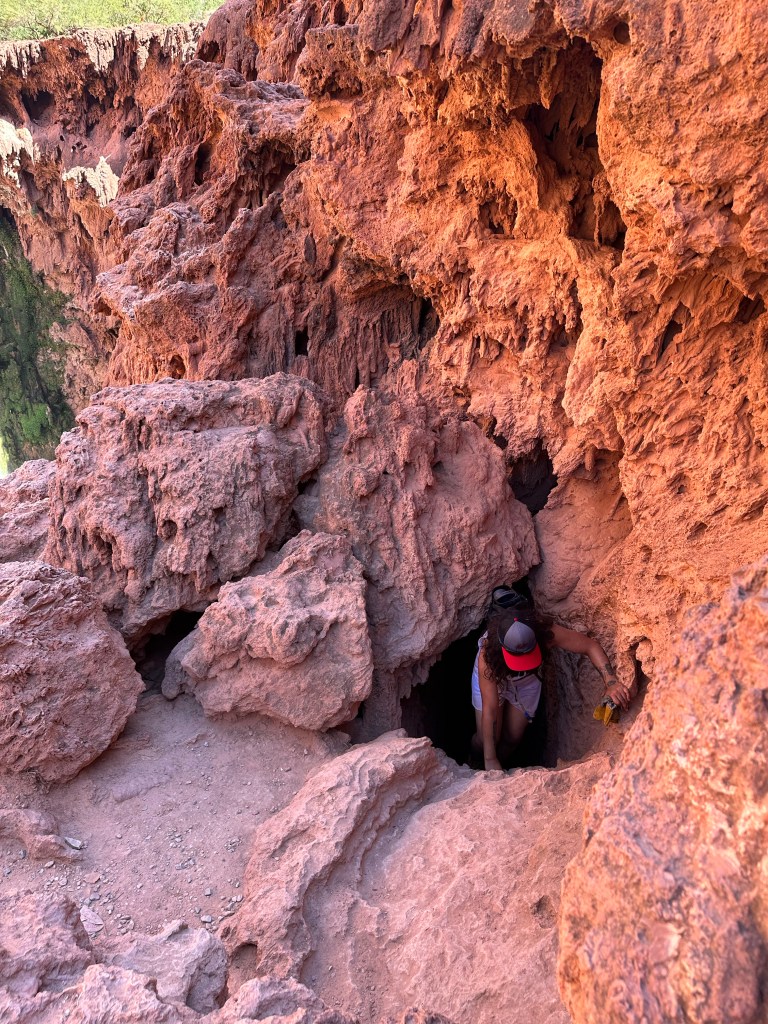
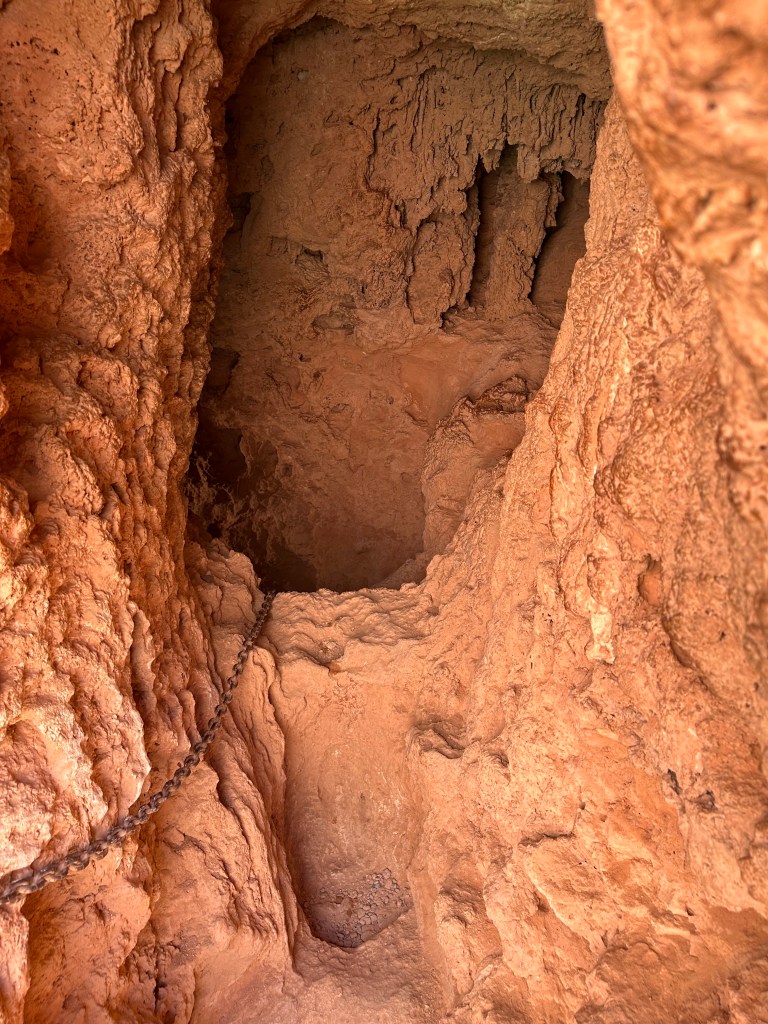
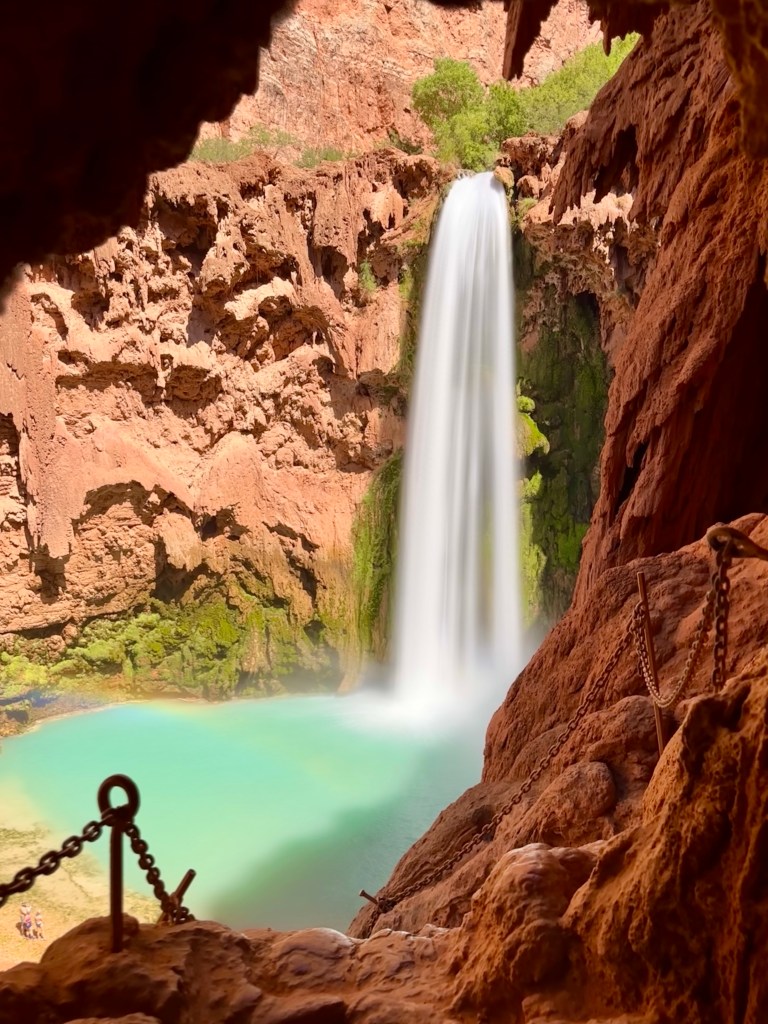
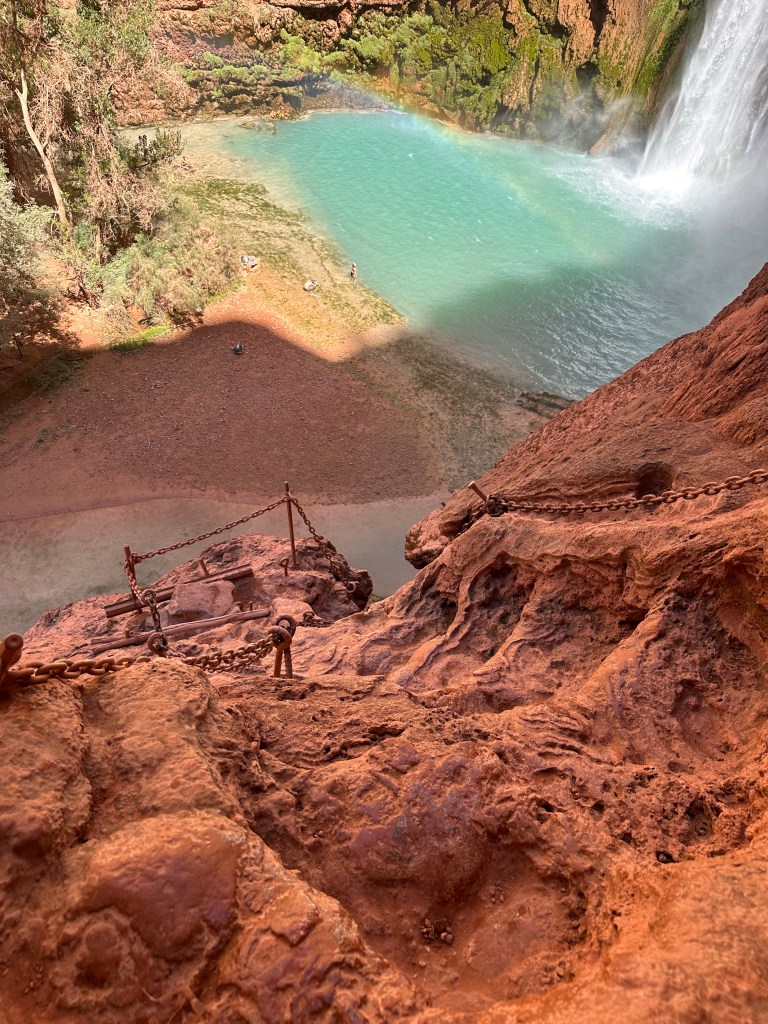
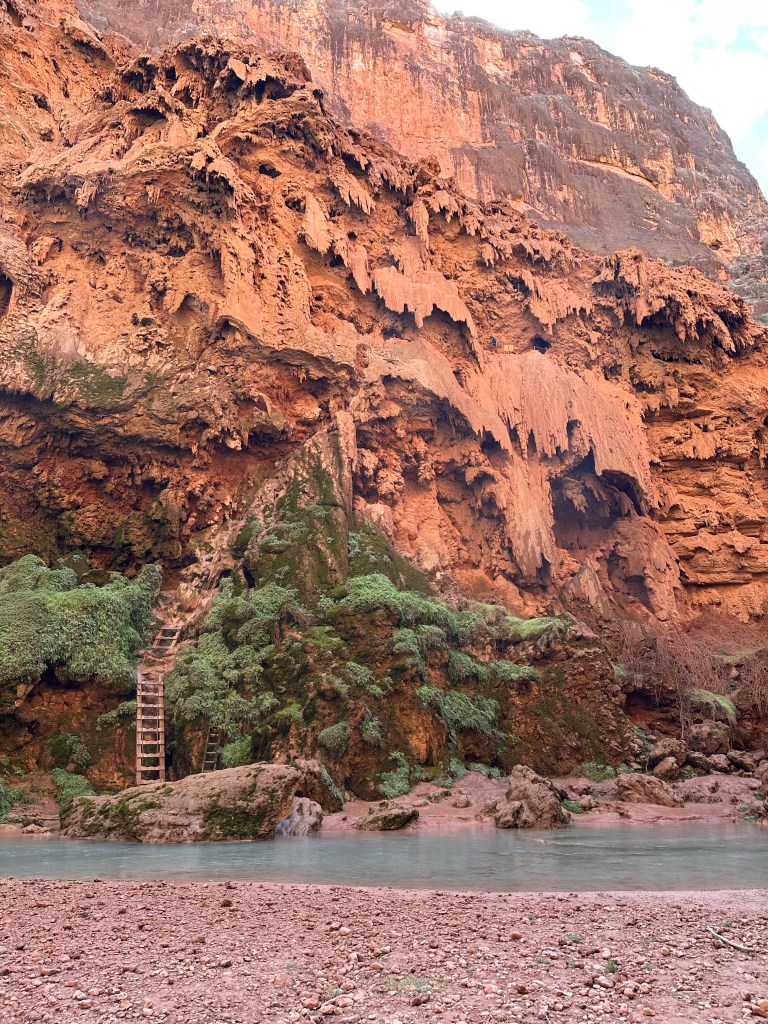
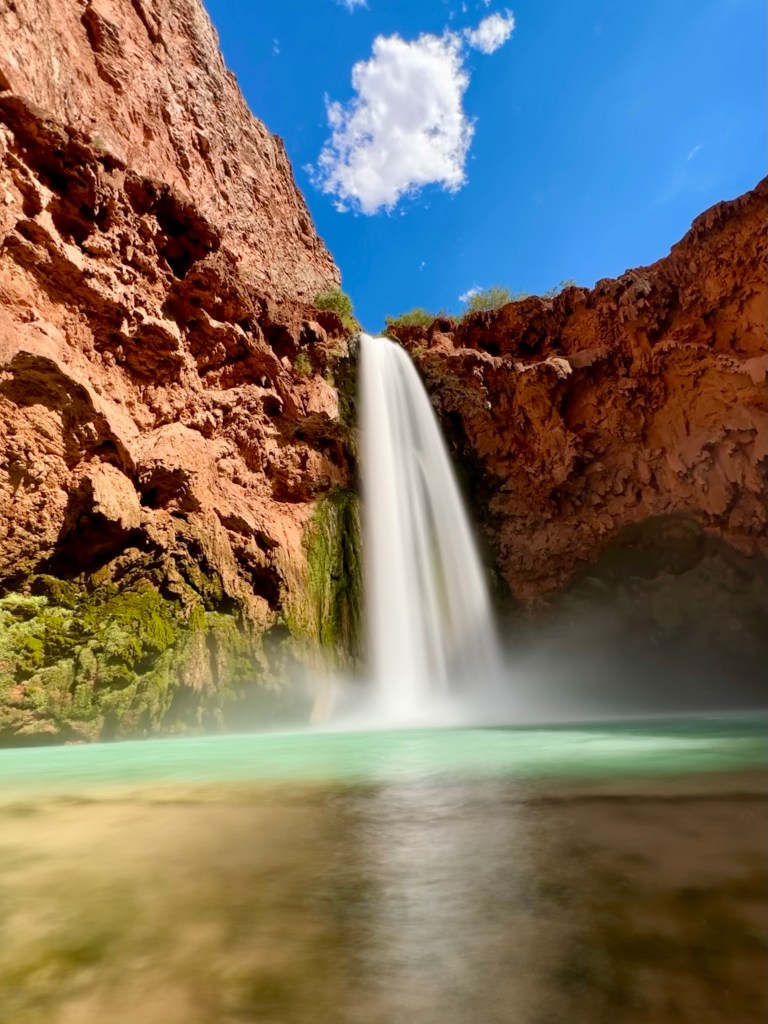
Then it was back to camp, and after a short nap on the picnic bench I decided to check out Mooney Falls in the other direction.

 FIRE'd @ 47
Fantastic scenery. I’m guessing that the only bad bit about doing it alone is nit being able to share those moments. We all get used to sharing with our partner when we normally travel together, don’t we.
LikeLiked by 1 person
It would’ve been nice if Joe had gone. But having done this backpacking trip solo, I’ve learned that solo hikes have their own set of upsides, such as being able to do whatever you want, hiking at your own pace, and enjoying the solitude, which is often underrated.
LikeLiked by 1 person