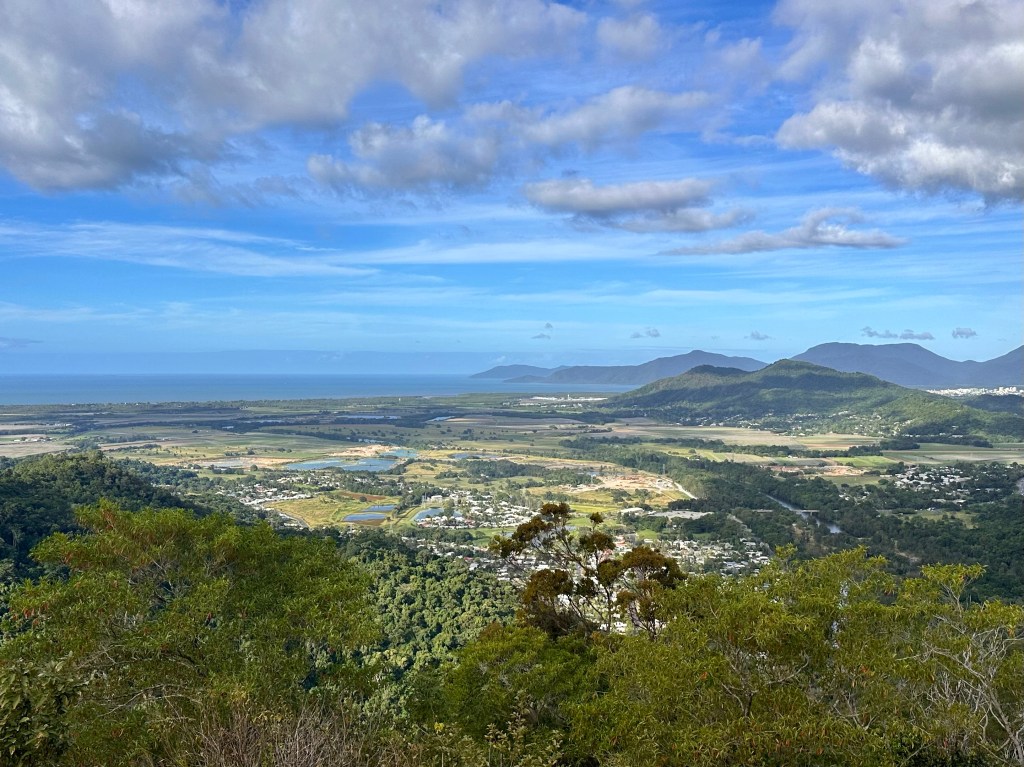
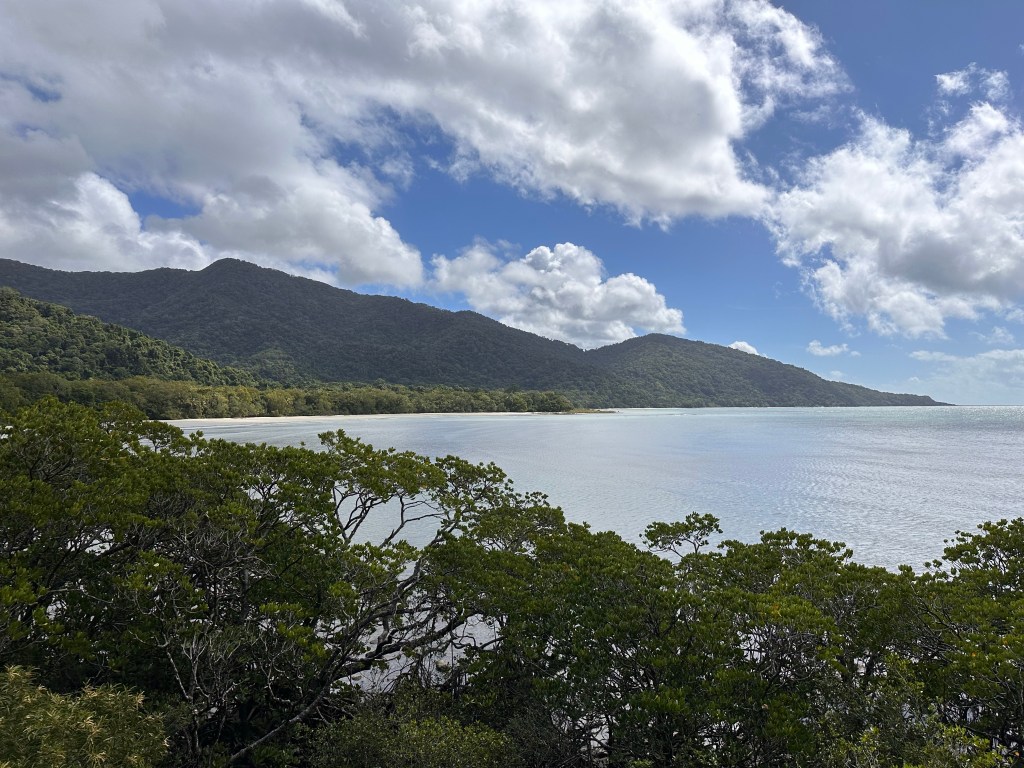
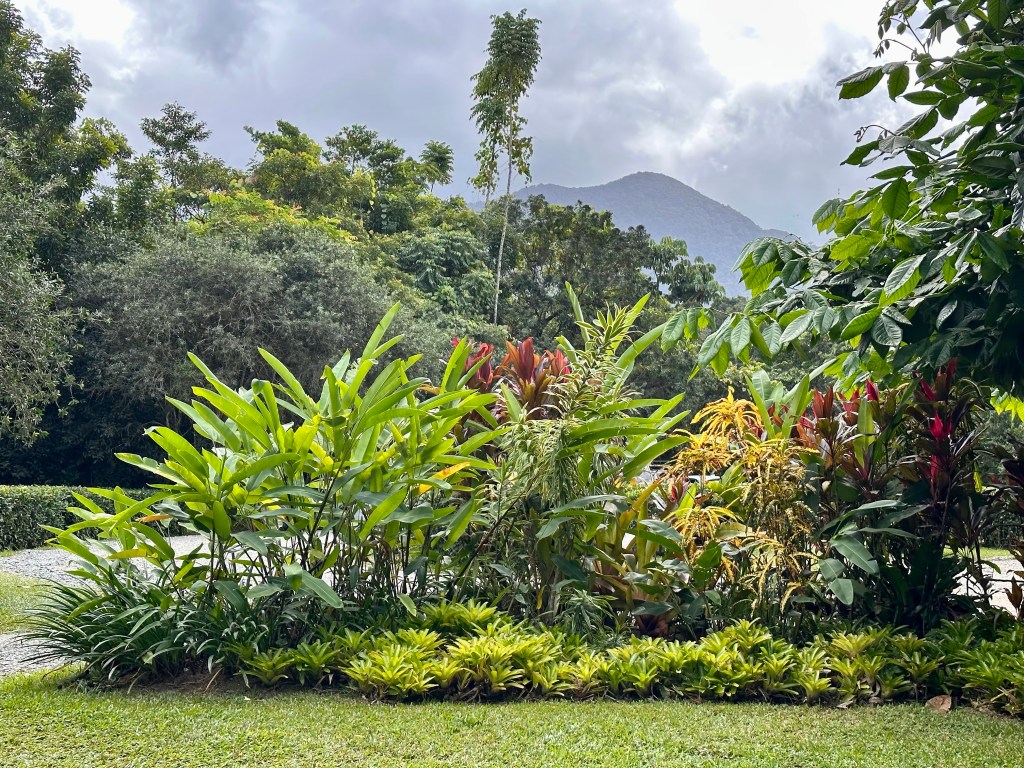
Back in Australia, and the experience so far is a bit more positive than the last time we left it. People in Cairns (pronounced “cans”) are friendlier than those in the Perth area. Cairns, known as the gateway to the rainforest and Great Barrier Reef, totally reminds us of Hawaii, with the palm trees, green mountains, beaches, temperate climate and all. No wonder everyone we’ve talked to has raved about Cairns.
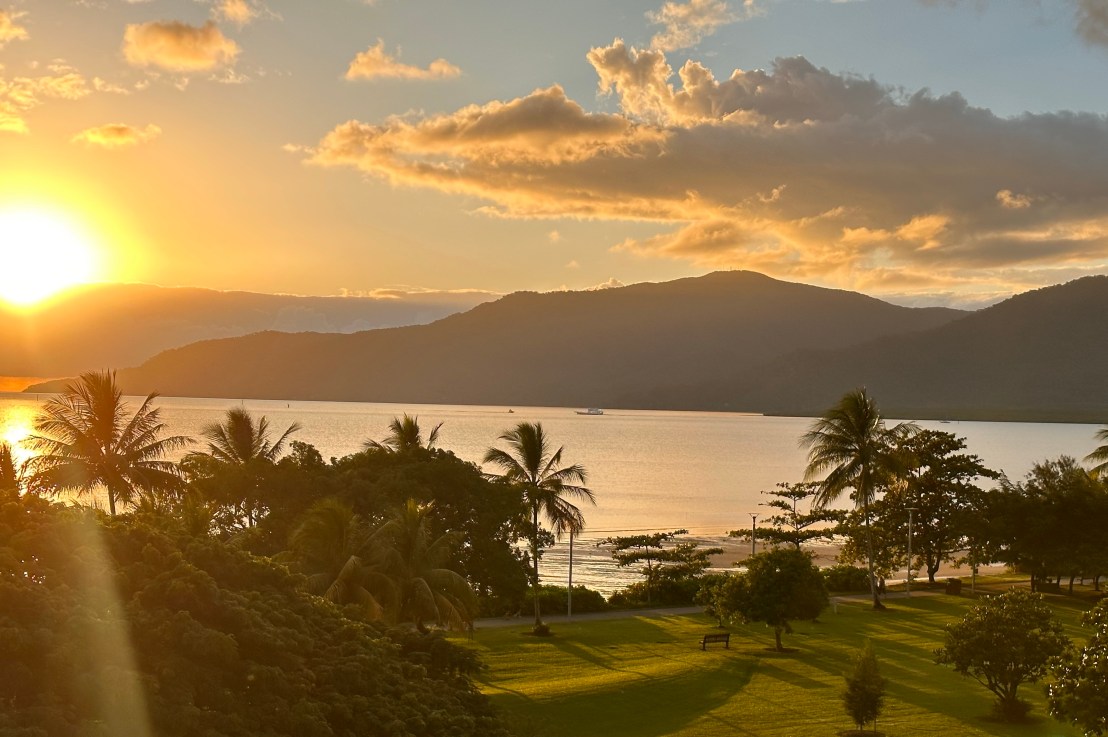
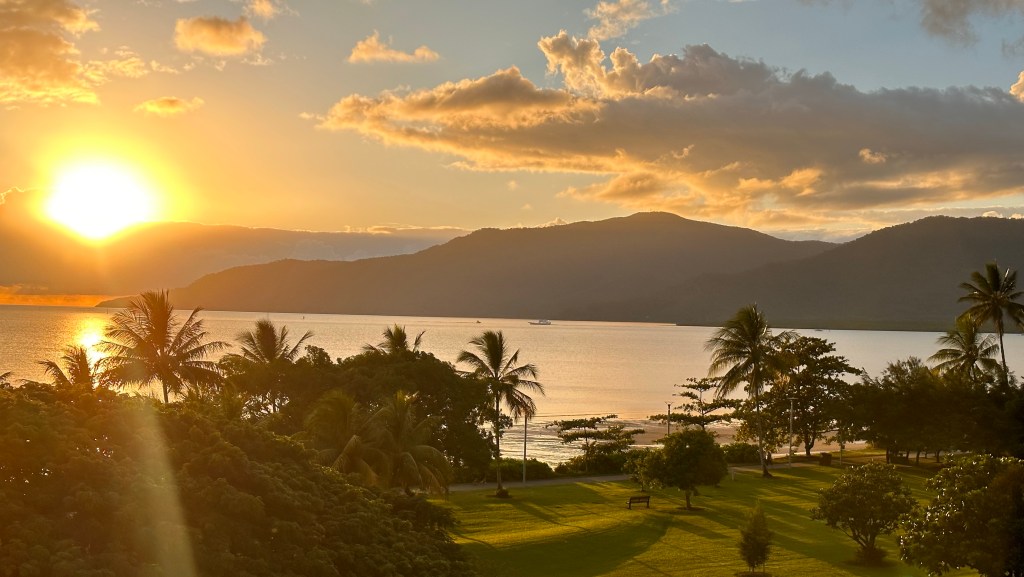
Morning view from the hotel
The original plan was to snorkel in the Great Barrier Reef, but with the recent spate of shark attack incidents worldwide, I took it as a sign to stay out of the water for now. Instead, we went to explore the rainforest.
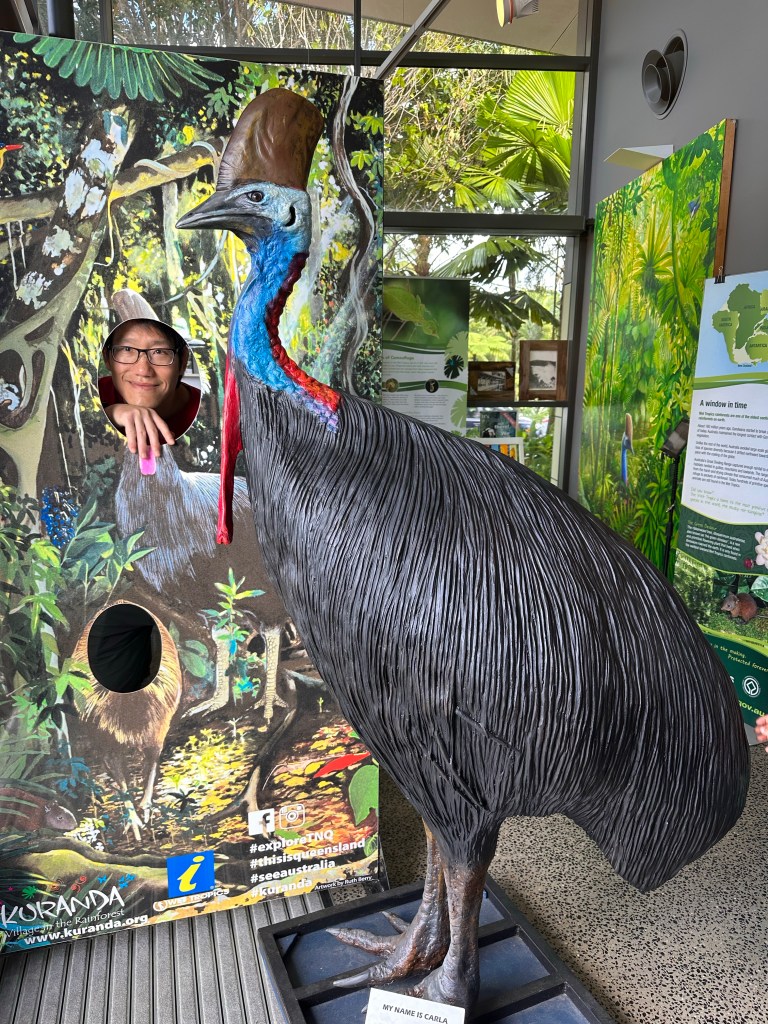
On the surface, the national parks in the area pale in comparison to what we have in the US. No “WOW” factor like what New Zealand has at every corner. But once you delve into the nitty gritty of the rainforest ecosystem, this place gets interesting. One of the most fascinating aspects of the area is the Southern cassowary. This elusive and threatened bird (2,000 in existence) can only be found in this part of Australia, and it is the keystone species in the region, which I’ll get into later.
One of the closest living relatives to dinosaurs, cassowaries belong to the ratite family (flightless birds) that includes ostriches and emus, as well as New Zealand’s beloved kiwis. Unlike mobs of roos and sloth-like koalas, cassowaries are difficult to spot as they run and hide. So for the past few days our goal was simply to see these birds in the flesh, in the wild. We went to all the locations known to have cassowary sightings just to catch a glimpse.
Day 1 – Mossman Gorge
We thought we could hike to the gorge, but we learned that we had to take a shuttle transport (AUD$14 pp) to the start, as part of the road traverses through indigenous lands.
Don’t come here expecting to see an impressive gorge.
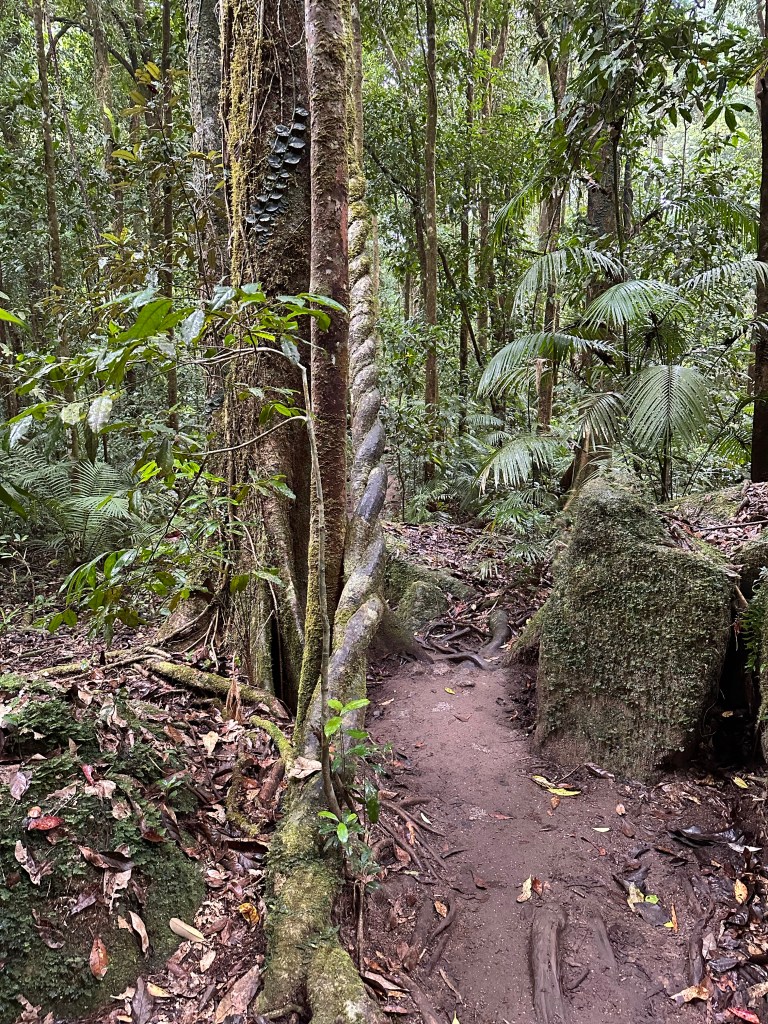
There is a 2-mile trail past the gorge that brings you through the rainforest, with well placed educational placards to keep you engaged.
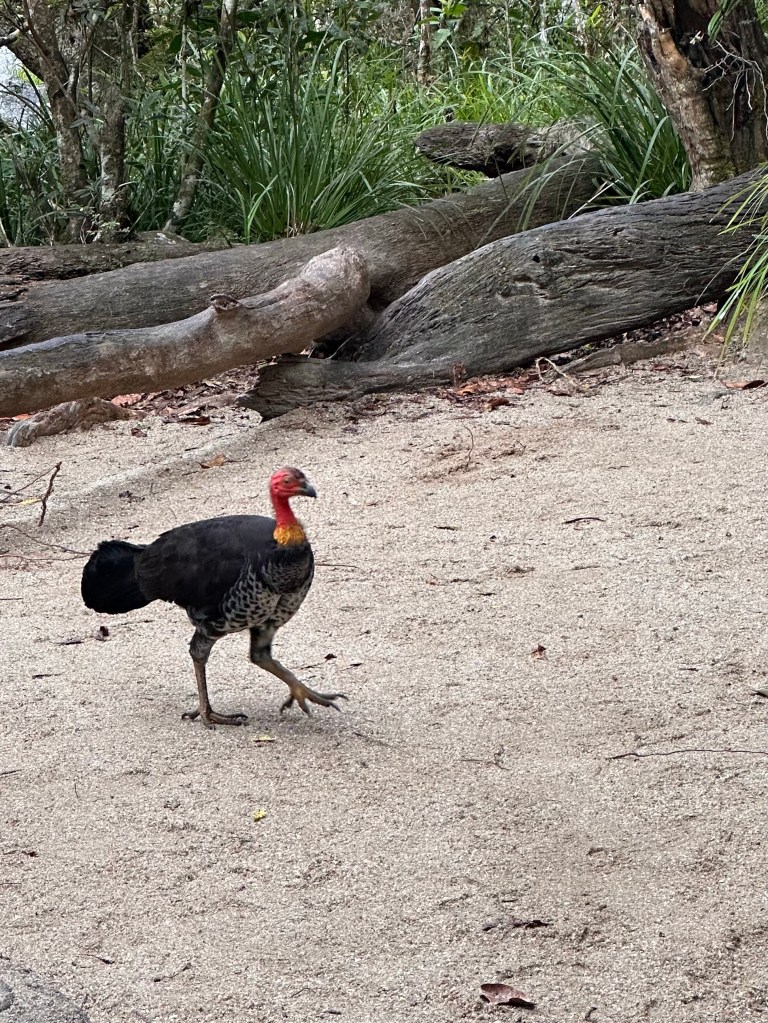
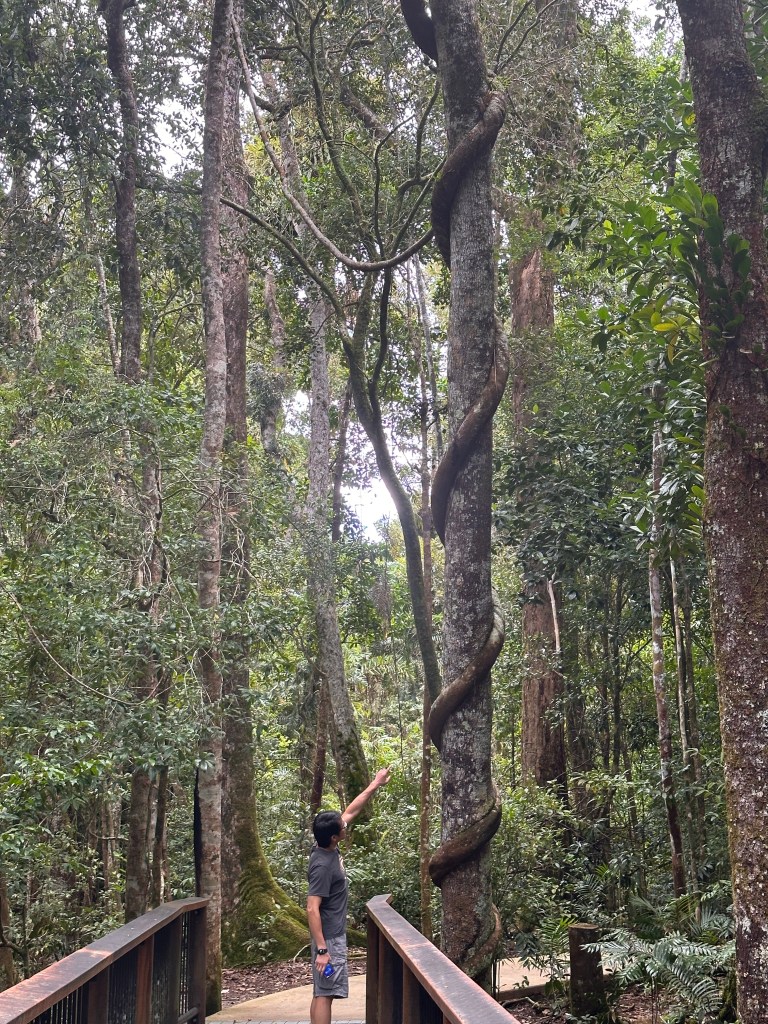
The often saturated rainforest soil dictates that root systems remain shallow so that they are not waterlogged and oxygen deprived. Trees therefore form buttress roots as seen here to help stabilize themselves, as well as to help oxygen absorption through lenticels in these roots.Some pretty exaggerated buttress rootsThe dense rainforest foliage prevents sunlight from reaching the forest floor, so vines will twist and climb their way up to the tree tops. Take a minute to appreciate these beautifully intertwining vines.No cassowaries today, but Australian brush turkeys were plentiful. Interesting fact about them is that temperature determines sex of the chicks, kinda like turtles. Cooler temps beget males, while warmer temps yield females.
Day 2 – Barron Gorge National Park
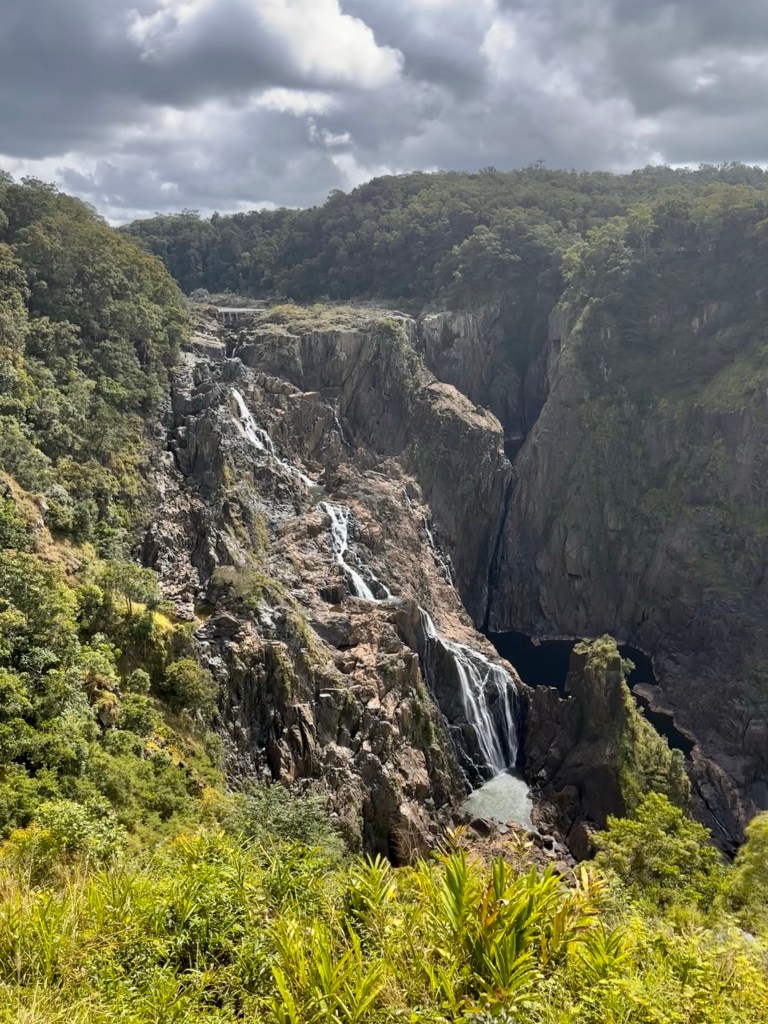
Kuranda, a popular tourist town 40 minutes from Cairns, is located in the Barron Gorge National Park. Most people will take the Kuranda scenic train and/or the Skyrail into town, but since we had a car, we opted to drive for more flexibility.
Barron Falls, a bit weak in the dry season.
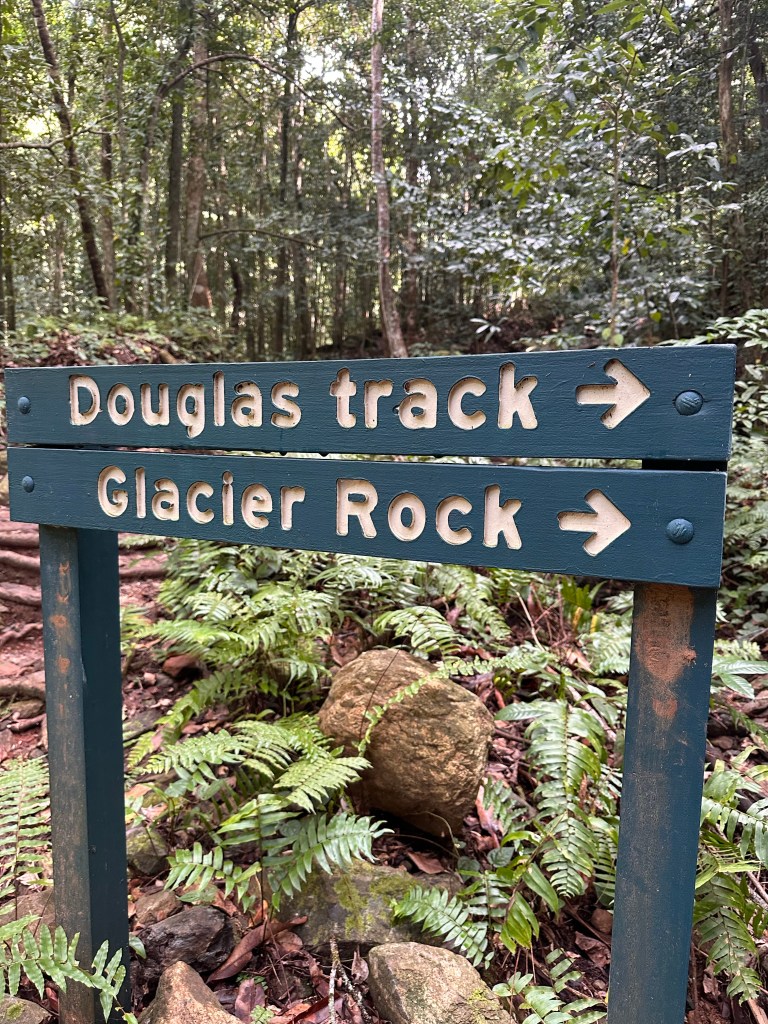
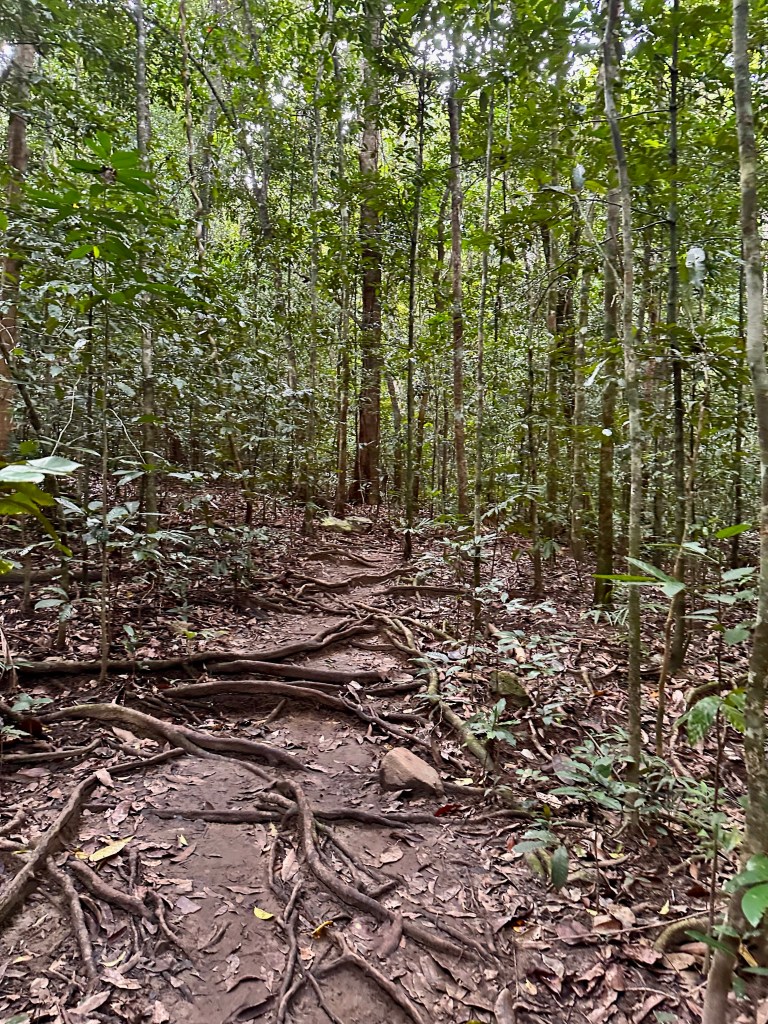
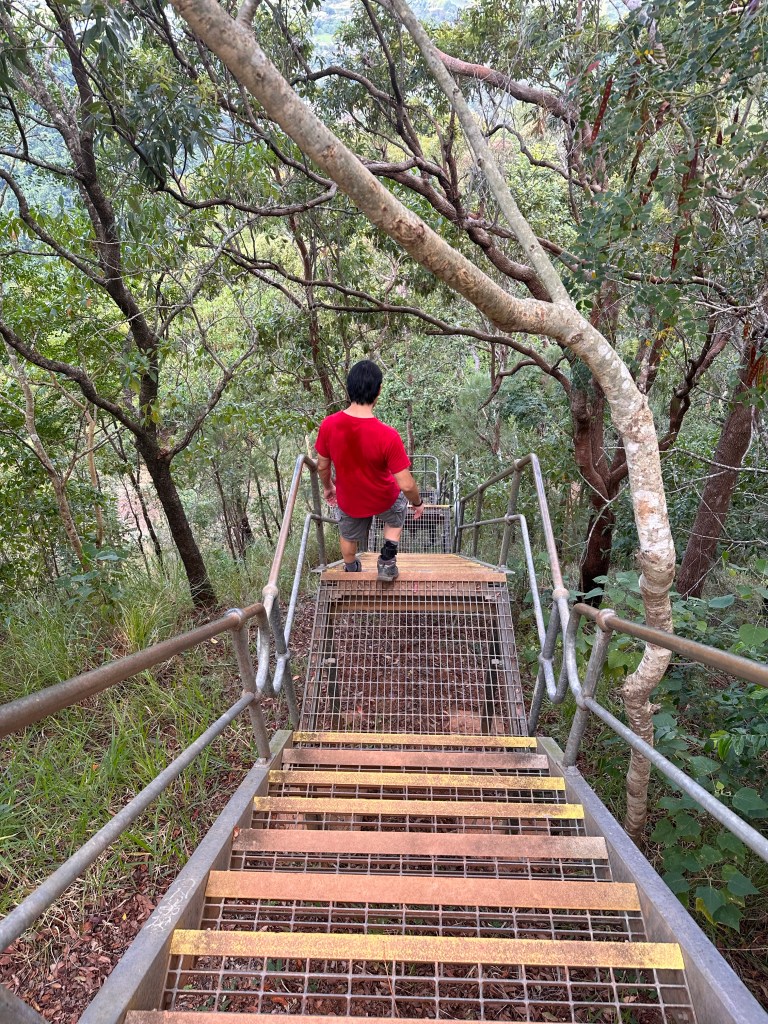
After checking out the small town, we drove to a different part of the park, hoping to find a cassowary off the beaten path. Someone recently reported seeing cassowaries on the Stoney Creek track, so we decided to try our luck there.
No distance nor time information (like in New Zealand). We were lucky that they generously tossed in an arrow to point the way. Really makes me appreciate our National Parks so much more.But a true trail, nonetheless.With some man made stairs mixed in.Made it to the top. No dice.The only cassowary we saw today. This kinda puts into perspective what we’re looking for – females can grow as tall as 6ft and change, and weigh up to 150lbs or more. Males are smaller. Check out the medial claw that looks like a long dagger. That is the reason why cassowaries are considered to be the most dangerous birds in the world. Back in the 1920’s a teenager had his jugular sliced (and he subsequently died) when the bird kicked him while defending itself from being beaten by the boy.
Day 3 – Daintree National Park
Daintree National Park is a 2-hour drive north of Cairns. The route includes a 2-minute river ferry crossing that costs a whopping AUD$45 round trip. The other option is to swim across in the croc infested river.
Cassowary sightings are usually during dawn and dusk, so by the time we made it to Jindalba boardwalk, where cassowaries are often seen, at 9:30am it was probably already late.
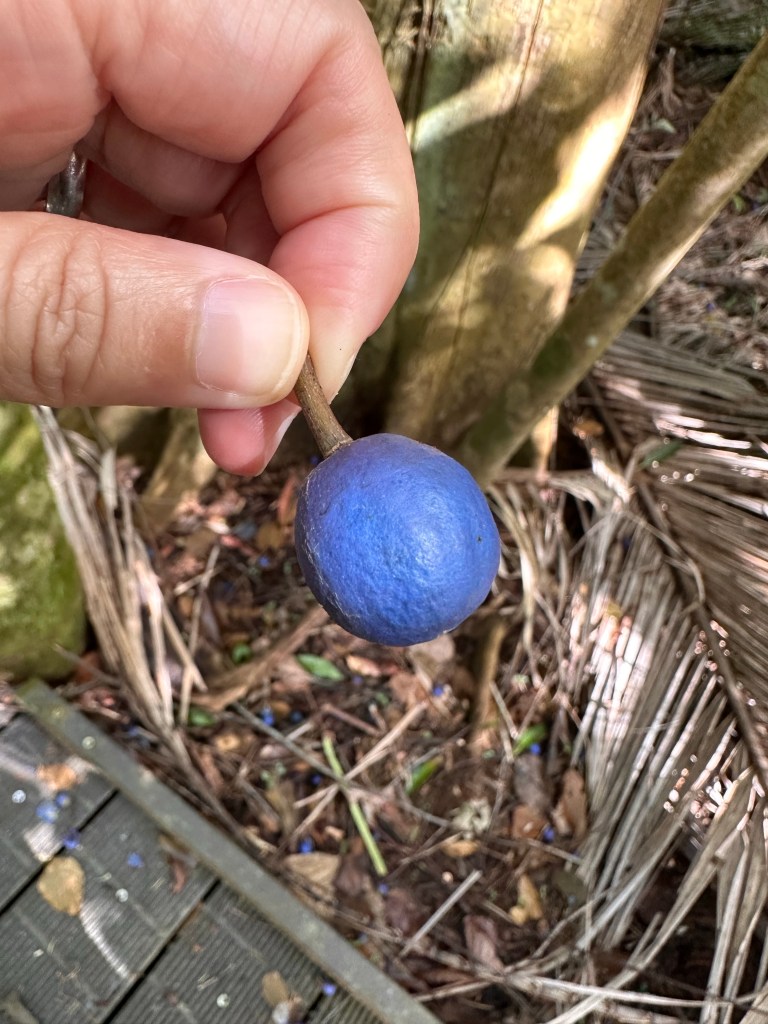
Not only did we not see the birds, we discovered that a huge section of the boardwalk and track are closed for maintenance.What we did see scattered all over the parking lot were these purplish blue hued fruits. It wasn’t until later that we learned that these are Cassowary plums (named after the bird, because cassowaries are the only animals that can eat these fruits whole and pass the seeds undamaged through its digestive system). Luckily I had the wherewithal of not taking a bite of the fruit, as it is toxic to humans and can potentially lead to death. Bet you a warning sign would have been plastered all over that parking lot had this been a US National Park.
With the whole day ahead of us, we headed north to Cape Tribulation to check out the rest of the park.
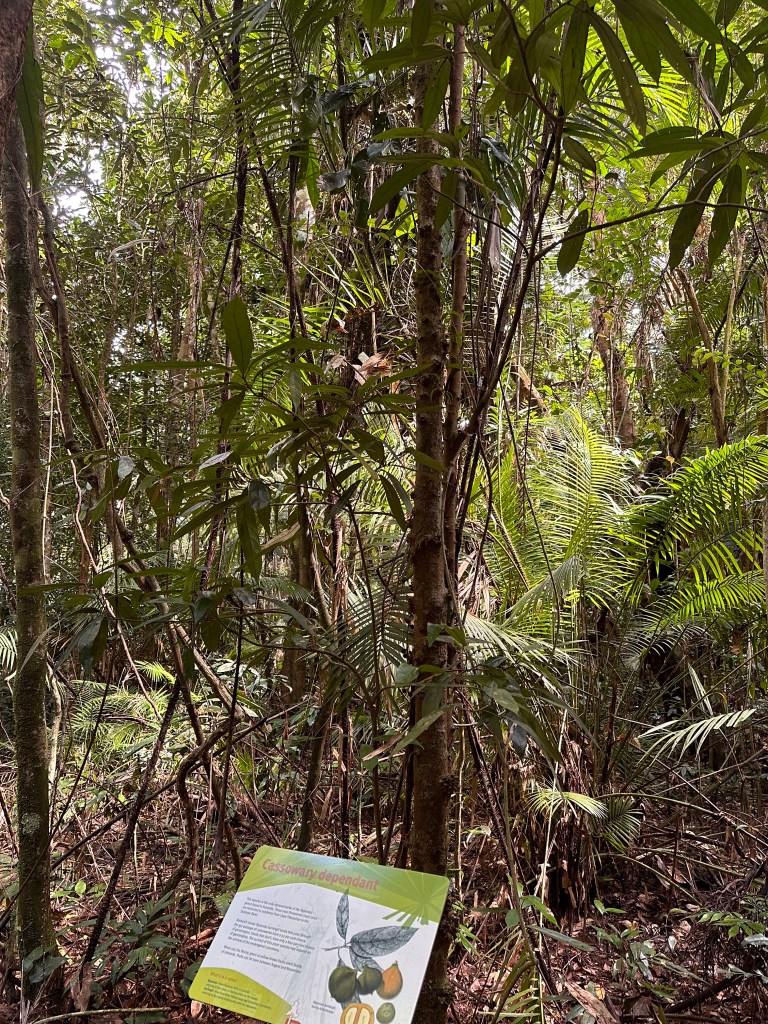
The Madja boardwalk led us through the rainforest and into the mangrove. It is amazing to see what trees do to survive in harsh salty and oxygen deprived conditions. Prop roots stabilize the trees, and roots grow above ground to absorb oxygen. Depending on the mangrove tree species, salt is either secreted from leaf glands or stored in leaves that eventually die and fall off.Python or vine?A section of the Dubuji boardwalk is flanked by stunning Australian fan palm forest. These palms survive in low oxygen environments, such as swamps, riverbanks, and rainforests.Guess who also eats fan palm fruits? Cassowaries are frugivores, where 90% of their diet consists of fruits, and they eat all sorts of fruits.Another section of the boardwalk was littered with various colored fruits, but no cassowaries in sight.The Ryparosa is cassowary dependent, meaning that it cannot survive without the cassowary. Ryparosa seeds that have passed through the bird’s digestive system will germinate 92% of the time, but with only 4% chance of germinating without the help of a cassowary. This makes the cassowary a keystone species – it is vital to the survival of the different rainforest trees.A sign at the Myall beach at the end of the Dubuji boardwalk.At the Kulki boardwalk, there is a huge cassowary nest, but no bird. For the cassowaries, gender roles are reversed. Females court males, and once eggs are laid in the nest (built by males), females will leave and proceed to lay eggs in other males’ nests. Males are left to incubate the eggs for 50 days, and protect the chicks for the following 9 months.Before leaving the park, we stopped by Daintree Ice cream factory. Ice cream was meh, but the scenery! Just like Hawaii!
Day 4 – Etty Bay Beach
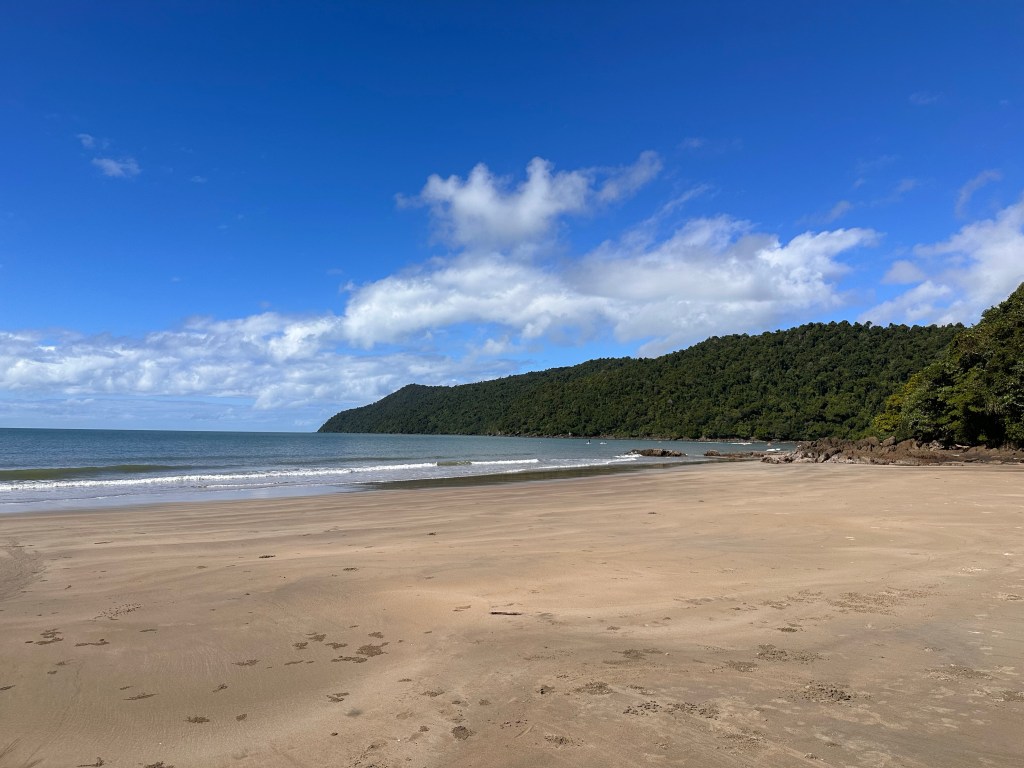
Coming up empty handed after 3 days, I’m getting desperate. Thankfully, the internet is chock full of information, and one place where people have said that cassowary sightings are guaranteed is at Etty Bay Beach, which is an hour and a half south of Cairns. What wasn’t specified was time of day for best sightings. Obviously, it is during dawn and dusk.
Etty Bay Beach
Again, we arrived too late but decided to camp out until 5-6pm, or whenever the birds show up. Sounded like a plan until we were practically eaten alive by mosquitoes after sitting at the beach for 3 hours. Not wanting to look diseased from all the bites, we opted to grab some food and return to the beach at a later hour. On our slow drive out, I saw a car pulled over by the side, and then I saw it!
Jackpot! It was walking in a ditch below us, so it looked much smaller than I had expected. But judging by the size, it was probably as tall as a small child.Persistence (plus a heaping dose of luck) finally paid off.
Then, on our way out on Etty Bay Road, we got a bonus sighting of a whiptail wallaby.
Also called pretty-face wallaby for the white stripes along the jawline.
Yep, I reckon 45 dollars for a ferry is pretty reasonable if the alternative is wrestling with crocodiles. Glad you got to see the cassowary in the end, worse with the effort huh…
I appreciated the whole adventure looking for the cassowary. If I had wanted the easy way, I could have simply just gone to the zoo, but that’s no fun…










 FIRE'd @ 47
Yep, I reckon 45 dollars for a ferry is pretty reasonable if the alternative is wrestling with crocodiles. Glad you got to see the cassowary in the end, worse with the effort huh…
LikeLiked by 1 person
I appreciated the whole adventure looking for the cassowary. If I had wanted the easy way, I could have simply just gone to the zoo, but that’s no fun…
LikeLiked by 1 person
“Worth the effort” , that was meant to say , auto correct is so often not bloody correct!!
LikeLiked by 1 person
Haha, I know. Autocorrect never makes sense…
LikeLiked by 1 person