
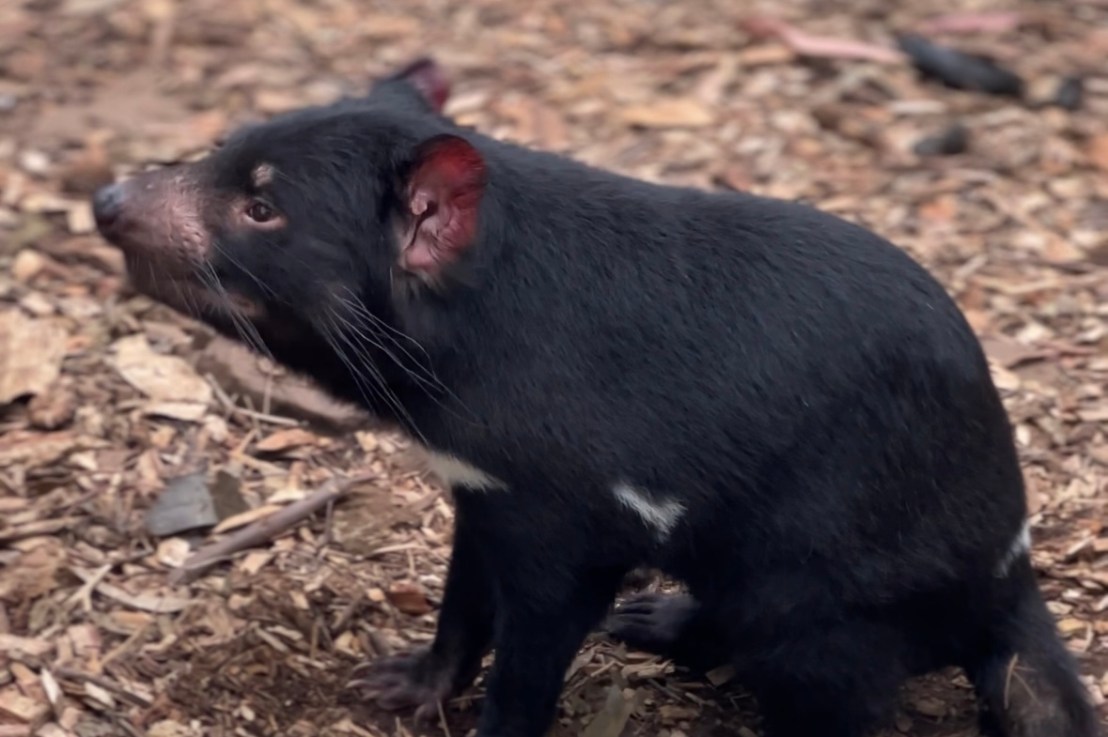
Seeing Tasmanian devils was the reason for our visit to Tasmania, however, it is almost impossible to see these nocturnal animals in the wild. Luckily, there are a couple wildlife sanctuaries on the island that house orphaned and injured devils. The Bonorong wildlife sanctuary, being one of them, is conveniently located just 40 minutes from Hobart.
During our short time here in Tasmania, we were struck by how many roadkills we saw on our drives. The explanation for the disconcerting amount of dead animals is, one, Tasmania has a lot of wildlife, and two, the speed limit here is higher than it is on the mainland. When animals are accidentally killed, sometimes their pouches are checked for joeys, and any surviving babies will be brought to the sanctuary. Orphaned animals will be raised and released into the wild when deemed suitable. Those determined not fit for survival in the wild will remain at the sanctuary.

Wombats bear single joeys, and are raised by their moms until age 2, at which point the teenage wombat will drive its mother out of the den they’ve been living in for the past two years. This allows the not quite mature wombat a leg up in survival. Mom can always go out and build herself a new den and prep for her new joey.
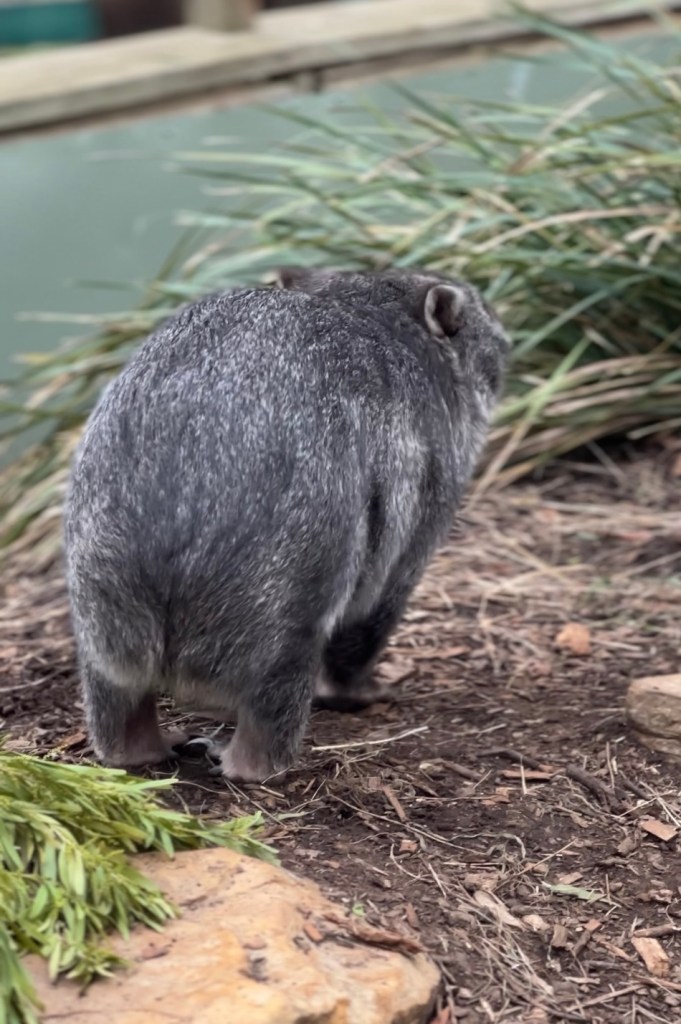
Unlike wombats, Tasmanian devils will bear 20-40 babies at a time. The babies, the size of a grain, will follow a mucus path to one of 4 teats and latch on for the next few months. So out of 20-40, only 4 will survive.

The infectious Devil facial tumor disease has a high rate rate of transmission and mortality. Transmission of the disease is through bites during mating and feeding. In Tasmania every effort is made to control transmission. This includes culling the diseased population, placing a few healthy animals in zoos and wildlife reserves, introducing healthy populations to Maria Island (an island off Tasmania), and reintroducing them back to Tasmania. Lastly, vaccine research is ongoing.
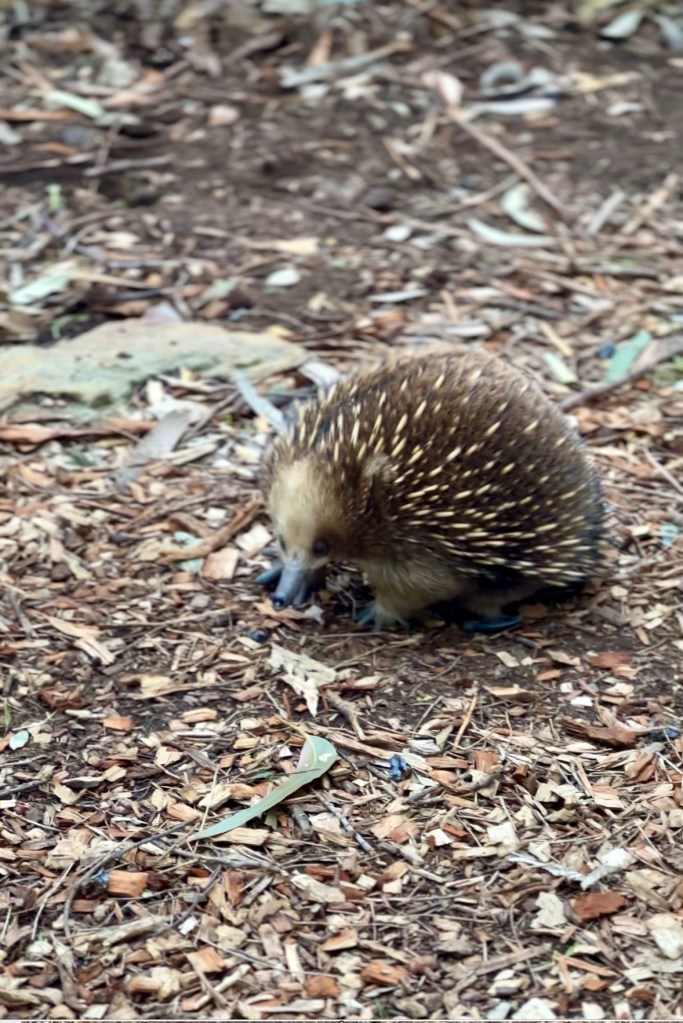

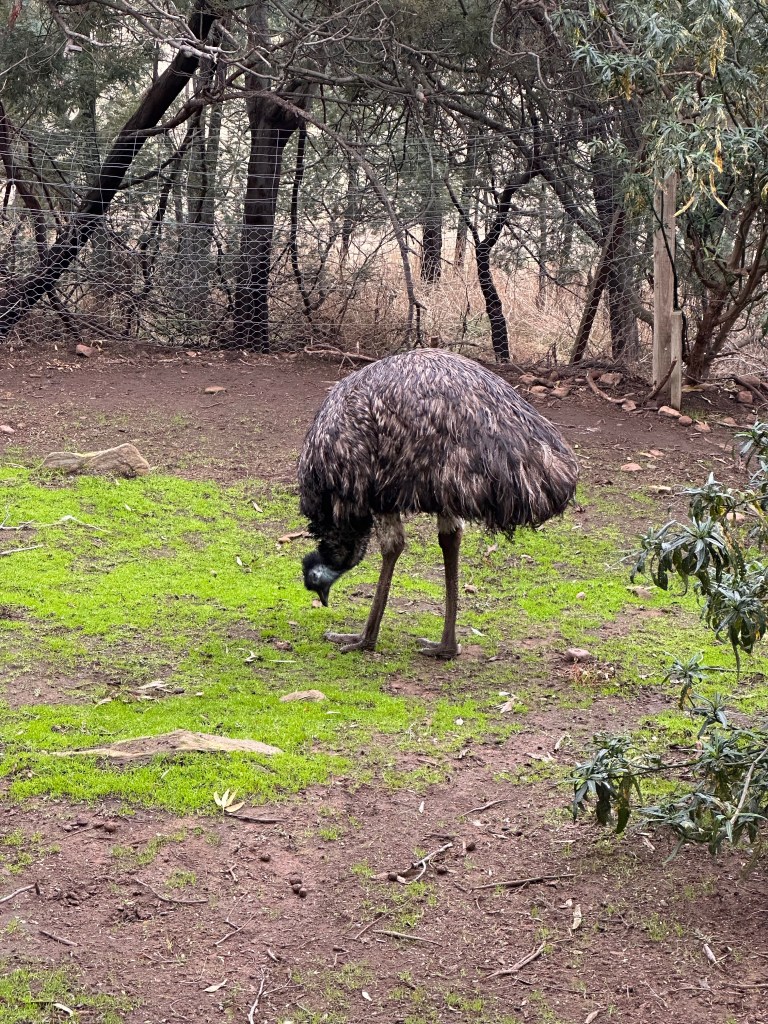

There were a bunch of other nocturnal animals in the sanctuary that we didn’t get to see since they were hiding somewhere. But we were happy to have seen what we came here for.
 FIRE'd @ 47